Your Legal Rights If a Loved One Develops Bed Sores in a Nursing Home
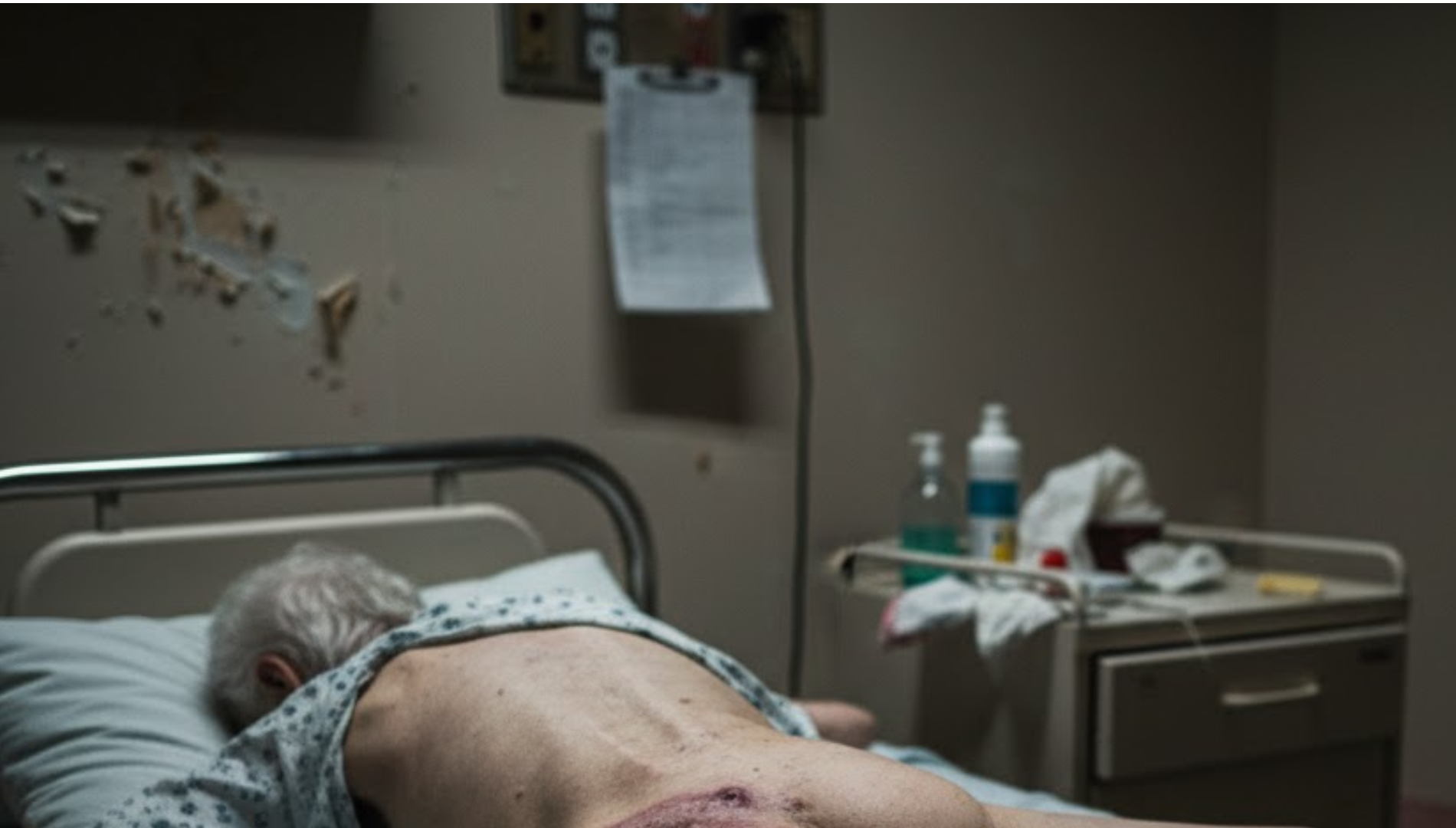
There are few moments as shocking, or as gut-wrenching, as discovering that a loved one has developed bed sores in a nursing home. You placed trust in that facility. You believed your parent, grandparent, partner, or relative would receive attentive care. Then suddenly, you’re faced with wounds that are painful, dangerous, and almost always preventable.
As Chicago Nursing Home Bed Sores Lawyers, we hear the same emotional reaction from families again and again:
“I didn’t even know bed sores were preventable until it happened to us.”
Bed sores (also known as pressure ulcers) don’t just appear out of nowhere. They develop when a resident is not repositioned regularly, not monitored, and not cared for in accordance with basic medical standards. When these injuries show up, especially severe ones, they raise a deeply serious question:
Was your loved one neglected?
This comprehensive guide will help you understand:
- What bed sores really indicate
- Whether they are signs of neglect
- Your legal rights
- How to respond immediately
- When to contact Chicago Nursing Home Bed Sores Lawyers for help
- How to protect your loved one and hold facilities accountable
Do Bed Sores Mean Neglect?
In most situations, yes, bed sores are a major red flag for neglect. These wounds don’t form overnight. They develop when pressure on the skin is not relieved for long periods of time, typically because a resident is not being repositioned, checked, or monitored properly. Nursing home staff are required to follow strict care protocols including:
- Turning or repositioning residents every 2 hours
- Keeping skin clean, dry, and moisturized
- Monitoring nutritional and hydration levels
- Conducting regular skin assessments
- Treating early redness or irritation immediately
When these steps are not followed, bed sores develop and worsen, sometimes rapidly.
The Centers for Disease Control and Prevention (CDC) classifies bed sores as preventable injuries when proper care is provided. This means nursing homes have a legal obligation to prevent pressure injuries before they start.
Not every bed sore automatically proves neglect, certain medical conditions increase risk. However, facilities must still take precautions and follow care plans tailored to each resident.
That’s why families should consult Chicago Nursing Home Bed Sores Lawyers promptly to determine whether the injury was preventable and legally actionable.
What We See Most Often in Chicago Nursing Homes
After years of representing families as Chicago Nursing Home Bed Sores Lawyers, we have identified a troubling and recurring pattern in many facilities: understaffing combined with inadequate training leads directly to preventable injuries.
One Chicago family contacted our firm after noticing deep purple pressure sores on their mother’s lower back. Facility staff claimed the sores had “developed overnight,” despite the fact that medical science clearly shows this is impossible. Their explanation did not align with the reality of how pressure injuries form.
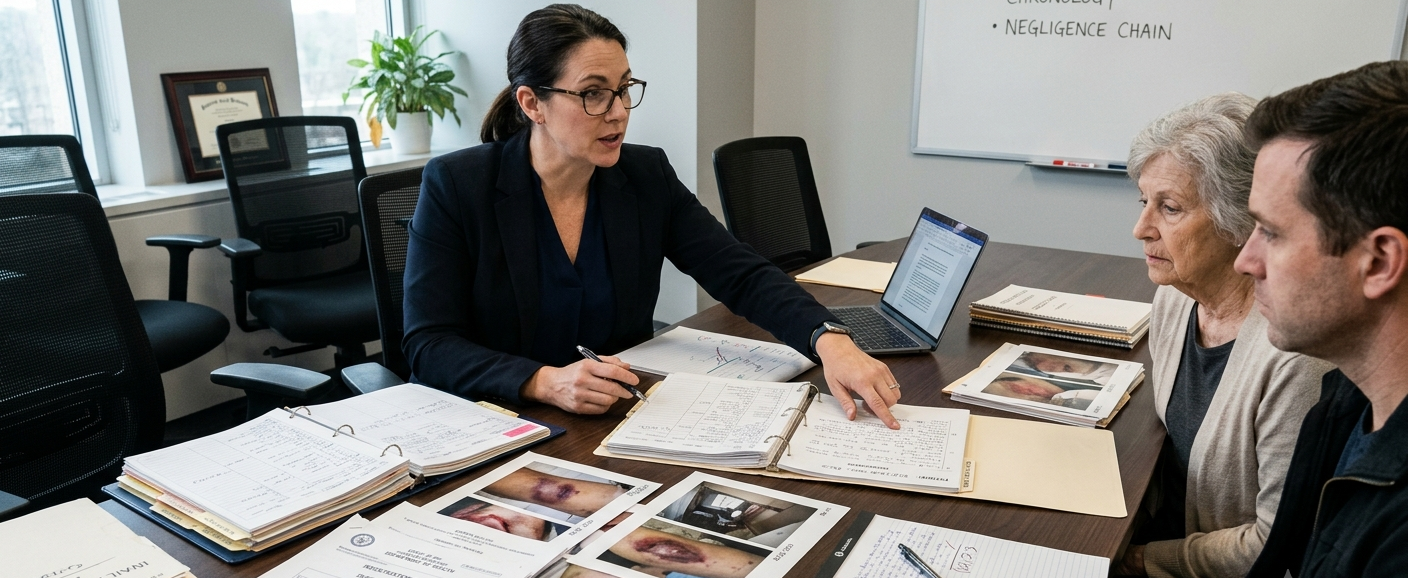
Our investigation revealed serious lapses in care, including repositioning logs with hours of missing documentation, aides assigned to too many residents at once, and soiled bedding left unchanged for extended periods. We also uncovered skipped skin assessments and medical records that appeared to have been altered after the fact.
Their mother’s injuries were not only painful, they were entirely preventable. Sadly, this type of neglect is far from rare. These cases consistently underscore one critical truth: bed sores are often a symptom of broader, systemic neglect within a facility, not an isolated or unavoidable issue.
Can You Sue for a Bed Sore?
Yes. If your loved one developed bed sores as a result of inadequate care, poor staffing, or ignored warning signs, you may be able to pursue legal action against the facility. Nursing homes have a legal duty to protect residents from preventable injuries, including pressure ulcers.
You may have a strong case if the facility failed to reposition your loved one regularly, ignored early warning signs such as redness or skin irritation, or allowed the resident to become dehydrated or malnourished. Additional red flags include incomplete or falsified care logs, delayed or improper treatment, and bed sores that progressed beyond Stage 1.
When negligence is proven, successful cases often result in compensation to help families recover from the harm caused. This may include medical bills and hospitalization, compensation for pain and suffering and emotional distress, and costs associated with surgical procedures such as wound debridement. Compensation may also cover infection treatment for conditions like MRSA, sepsis, or cellulitis, as well as disability, disfigurement, or wrongful death.
Many families begin the process by scheduling a consultation with Chicago Nursing Home Bed Sores Lawyers to determine whether a facility’s actions—or failure to act—legally constitute neglect.Find helpful advice in What Legal Rights Do Nursing Home Residents Actually Have?
When Caring for a Bedbound Resident, What Prevents Bed Sores?
Preventing pressure ulcers requires consistent, attentive, hands-on care. Nursing home staff should be performing the following safeguards every single day:
1. Repositioning Every 2 Hours: This is the most essential prevention tool. Without it, pressure builds and tissue breaks down.
2. Keeping Skin Clean and Dry: Moisture increases friction and breakdown down fast.
3. Using Pressure-Relieving Cushions or Mattresses: These special supports distribute weight and reduce risk.
4. Monitoring Nutrition and Hydration: Malnutrition weakens skin integrity. Proper hydration keeps skin healthy and resilient.
5. Conducting Daily Skin Checks: Any redness, warmth, or irritation requires immediate action.
6. Following Individual Care Plans: Residents at risk should have custom strategies that staff must follow exactly.
When these steps are skipped, often because staff are overwhelmed, bed sores appear.
As Chicago Nursing Home Bed Sores Lawyers, we investigate whether care protocols were violated and whether your loved one received the attention they deserved.
Can You Claim Compensation for Bed Sores?
Absolutely. Compensation is available when a resident suffers due to preventable pressure injuries. The value of the case depends on:
- The severity of the sores
- Need for surgery
- Duration of pain
- Impact on quality of life
- Associated infections
- Long-term disability
- Emotional trauma
Compensation may also cover future care, rehabilitation, and, in tragic cases, wrongful death damages.
For families, compensation isn’t just about finances. It’s also about:
- Justice
- Accountability
- Preventing the facility from harming others
This is where our work as Chicago Nursing Home Bed Sores Lawyers becomes critical. We gather the medical evidence, interview witnesses, obtain facility logs, and confront nursing homes that fail in their duty of care.
The Four Stages of Bed Sores (Every Family Must Recognize)
Stage 1: Early Warning Signs
- Redness
- Warmer skin than surrounding areas
- Pain or tenderness
If caught here, sores are fully reversible, if action is taken immediately.
Stage 2: Open Wound or Blistering
- Broken skin
- Shallow ulcer
- Increased pain
Risk of infection is high at this stage.
Stage 3: Deep Wound Through the Skin
- Fat tissue visible
- Severe inflammation
- High infection risk
This stage almost always signals neglect.
Stage 4: Life-Threatening Injury
- Exposed muscle, tendon, or bone
- Massive tissue loss
- Extremely high infection risk
These are catastrophic, often fatal injuries. They require urgent medical and legal intervention.
If your loved one has a Stage 3 or 4 injury, contact Chicago Nursing Home Abuse Attorney immediately. These injuries are almost never unavoidable.
Final Thoughts
Bed sores do not happen by accident. They occur when care is inconsistent, rushed, or ignored altogether. These wounds are painful, dangerous, and overwhelmingly preventable.
If your loved one developed bed sores, you are not just facing a medical issue, you may be dealing with a serious case of neglect. You should not have to navigate this situation alone, especially when the well-being and dignity of someone you care about are at stake.
A team of experienced Chicago Nursing Home Bed Sores Lawyers can help investigate what truly happened, determine whether the injury was preventable, and preserve critical evidence. They can also work to protect your loved one’s safety, hold negligent facilities accountable, and fight for justice, compensation, and meaningful change.
Your loved one deserves safety, dignity, and compassionate care.
If your loved one developed preventable bed sores in a nursing home, don’t wait, contact Chicago Nursing Home Abuse Attorney today to protect their rights and pursue justice.