Can Nursing Homes Be Sued for Neglect in Illinois?
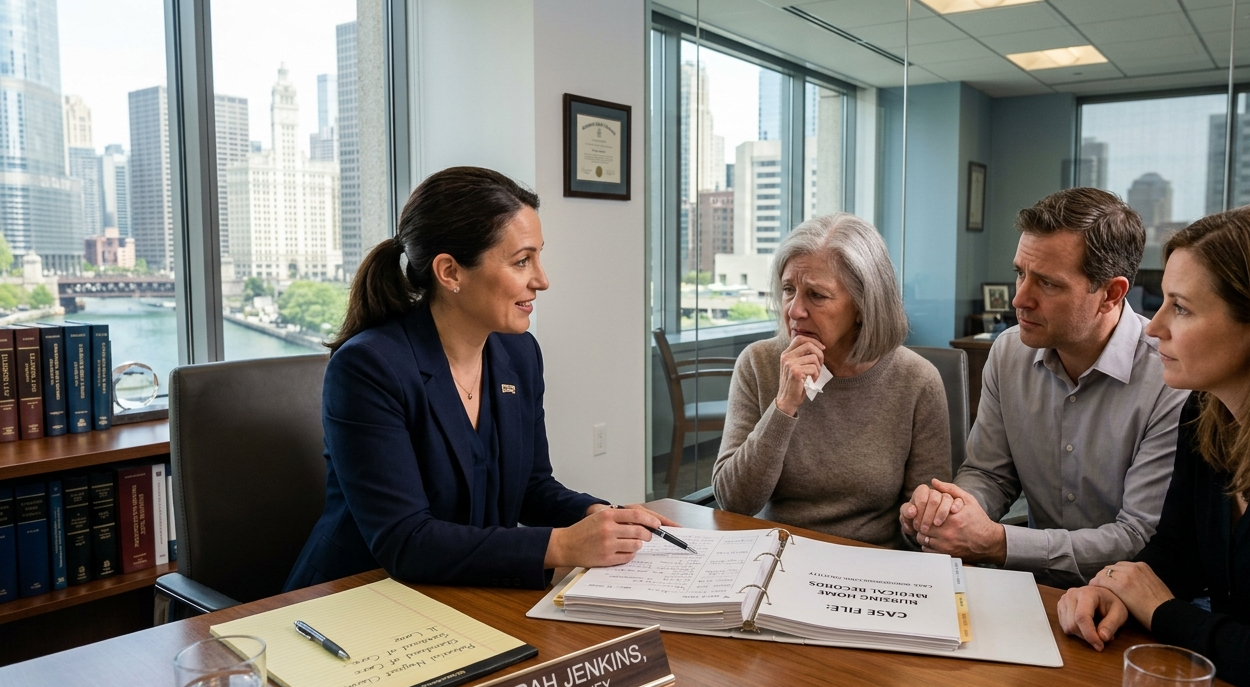
Placing a loved one in a nursing home is one of the most difficult decisions many families ever face. You trust the facility to provide safe medical care, proper supervision, nutrition, and dignity for someone who can no longer live independently. When that trust is broken because of neglect, families are often left wondering whether the nursing home's actions create legal responsibility. In Illinois, nursing homes may be held liable for negligence that causes harm to a resident, making it important to understand your legal rights.
Not every injury automatically means a nursing home is legally responsible, but repeated warning signs, poor care, or preventable injuries deserve careful attention. Understanding how Illinois law evaluates nursing home neglect helps families recognize when further investigation may be appropriate. Working with an experienced
nursing home abuse attorney can also help preserve evidence, explain your options, and determine whether legal action may be available.
What Is The Statute Of Limitations For Nursing Home Neglect In Illinois?
Illinois law establishes deadlines, known as statutes of limitations, for filing lawsuits involving nursing home neglect. The exact deadline depends on several factors, including the specific facts of the case, the legal claims involved, and circumstances that may affect when the filing period begins. Because these deadlines vary, families should avoid assuming they have unlimited time to pursue legal action after discovering possible neglect. Speaking with a nursing home abuse attorney soon after concerns arise can help ensure important deadlines are properly evaluated while protecting your legal rights.
Waiting too long may also make it more difficult to preserve valuable evidence. Medical records, staffing schedules, surveillance footage, witness statements, photographs, and care documentation may become harder to obtain over time. Even if you are still gathering information or deciding whether to pursue a claim, early legal guidance helps identify and preserve important evidence before it disappears. Every situation is unique, so relying solely on general online information may not provide accurate guidance for your family's circumstances.
At Chicago Nursing Home Abuse Attorney, we encourage families to seek answers as soon as concerns develop. As an experienced nursing home abuse attorney, we help families understand how Illinois law applies to their specific situation while protecting critical evidence from the earliest stages of an investigation. We also recommend comparing consultations with multiple law firms so you can evaluate experience, communication style, investigative approach, and overall comfort before making an important legal decision.
What Are The 4 Things Needed To Prove Negligence?
Most nursing home negligence claims require four essential legal elements to be established. These include duty of care, breach of duty, causation, and damages. Understanding these legal requirements helps explain why proving a nursing home neglect case involves much more than simply showing that an injury occurred. An experienced nursing home abuse attorney evaluates each of these elements carefully before determining whether a claim may be supported by the available evidence.
The first element is duty of care. Nursing homes have a legal responsibility to provide care that meets accepted professional standards for every resident. This includes proper supervision, appropriate medical treatment, nutrition, hygiene, medication management, and protection from preventable harm. The second element is breach of duty, which occurs when the facility or its staff fails to meet those required standards. Examples may include inadequate supervision, medication mistakes, untreated pressure injuries, preventable falls, poor infection control, or failure to provide necessary personal care. The third element is causation, meaning the breach of duty directly contributed to the resident's injuries or decline. Finally, damages must be established, which may include physical injuries, emotional suffering, additional medical expenses, disability, or wrongful death resulting from the neglect.
The
Centers for Medicare & Medicaid Services (CMS) provides information on federal nursing home regulations, resident protections, and the oversight of Medicare- and Medicaid-certified facilities. At Chicago Nursing Home Abuse Attorney, we thoroughly investigate every potential claim. As dedicated nursing home abuse attorneys, we gather medical records, facility documentation, witness statements, and other evidence needed to evaluate whether each legal element can be established, while helping families understand every step of the legal process.
What Is The Biggest Complaint Regarding Nursing Homes?
Although every nursing home operates differently, one of the most common complaints involves inadequate staffing. When there are not enough qualified caregivers available, residents may experience delayed assistance, missed medications, poor hygiene, inadequate supervision, slow responses to call buttons, and insufficient monitoring of changing medical conditions. Staffing shortages can also contribute to caregiver burnout, increasing the likelihood of errors and reducing the personal attention each resident receives. These issues do not always indicate legal negligence, but repeated patterns of inadequate care should never be ignored. An experienced nursing home abuse attorney can help determine whether staffing deficiencies contributed to preventable harm.
Poor communication is another concern frequently reported by families. Loved ones often struggle to receive timely updates regarding a resident's condition, changes in treatment plans, or explanations following falls and medical emergencies. When communication becomes inconsistent or incomplete, families naturally begin questioning whether appropriate care is being provided. Other common complaints include untreated pressure ulcers, dehydration, malnutrition, medication errors, repeated falls, emotional neglect, unsanitary living conditions, delayed medical treatment, and unexplained injuries. While a single isolated issue may not establish negligence, repeated deficiencies often warrant a closer review of the facility's practices and documentation.
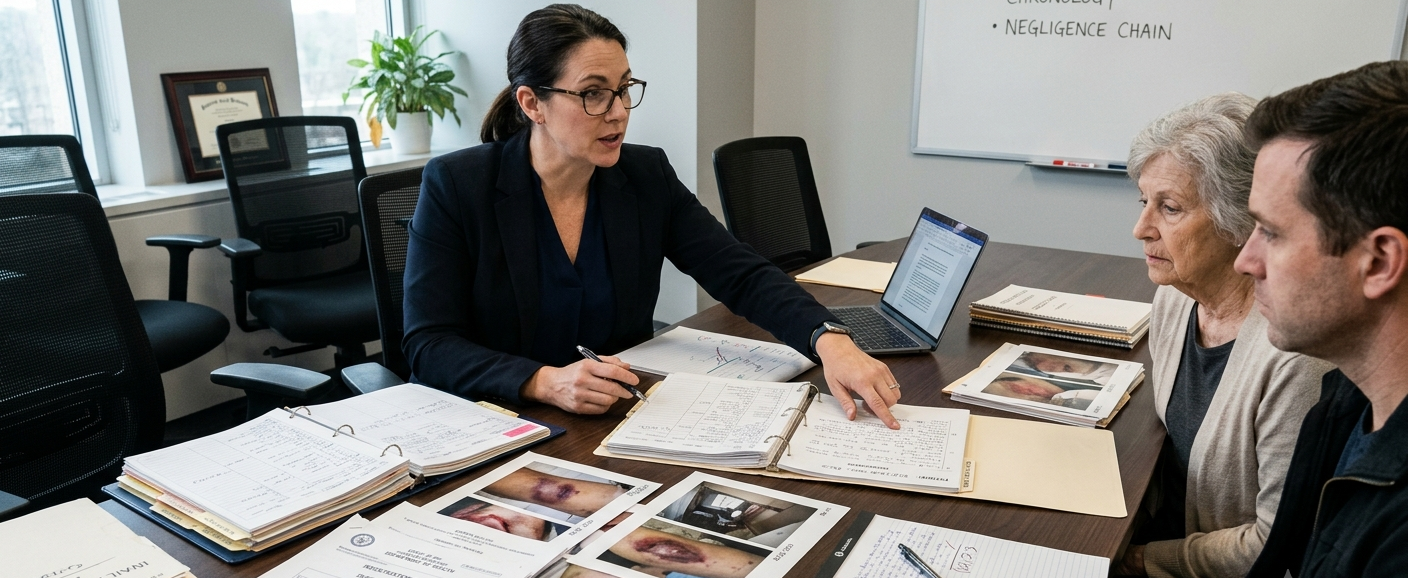
If concerns arise, families should begin documenting everything they observe. Keep written notes describing conversations with staff, photograph visible injuries when appropriate, retain copies of medical records, and create a timeline documenting significant changes in the resident's physical or emotional condition. These records often become valuable if questions later arise regarding the quality of care provided. If you are considering legal guidance, scheduling consultations with several law firms allows you to compare each firm's experience, communication style, investigative process, and understanding of Illinois nursing home law before selecting the nursing home abuse attorney who best fits your family's needs.
At Chicago Nursing Home Abuse Attorney, we understand that many families simply want answers before deciding whether to pursue legal action. As an experienced nursing home abuse attorney, we carefully review every situation, explain the available legal options, and help families determine whether additional investigation may be appropriate based on the facts.
What Is A Type A Violation For A Nursing Home In Illinois?
Illinois classifies nursing home violations according to the seriousness of the conditions identified during inspections. A Type A violation generally represents one of the most severe categories because it involves conditions creating a substantial probability of death or serious physical or mental harm if they are not corrected promptly. These violations receive significant attention from state regulators because they place vulnerable residents at immediate risk. When serious deficiencies are discovered, consulting a nursing home abuse attorney can help families better understand how regulatory findings may relate to potential legal claims.
Examples of Type A violations may include severe neglect, inadequate medical care, dangerous environmental hazards, serious infection control failures, abuse, or other conditions that place residents in immediate danger. Regulatory agencies investigate these deficiencies and may impose fines, require corrective action plans, increase monitoring, or take additional enforcement measures, depending on the circumstances. While these regulatory actions are important, families should understand that inspection findings alone do not automatically determine whether a civil lawsuit will succeed. Civil negligence claims require separate legal analysis based upon the specific evidence available in each case.
It is equally important to recognize that serious neglect may exist even if no Type A violation has been formally issued. Medical records, staffing schedules, witness testimony, resident care documentation, photographs, and expert evaluations may all contribute to determining whether negligent care occurred. Every situation deserves careful review based on its own facts rather than assumptions about regulatory classifications. An experienced nursing home abuse attorney evaluates all available evidence before advising families about their legal options.
At
Chicago Nursing Home Abuse Attorney, we routinely examine inspection reports, medical documentation, staffing records, and other evidence when evaluating potential claims. As trusted nursing home abuse attorneys, we focus on determining whether the available facts support legal action and provide families with honest guidance on the strengths and limitations of their case.
What Evidence Strengthens A Nursing Home Neglect Claim?
Strong evidence often determines whether a nursing home neglect claim can be successfully investigated and evaluated. The earlier evidence is preserved, the easier it becomes to reconstruct what happened and determine whether the facility met its legal obligations. Medical records frequently provide one of the strongest foundations for a claim because they document changes in the resident's health, treatments provided, physician observations, medication administration, wound care, diagnostic testing, and hospital admissions. These records help establish both the resident's condition and the timeline surrounding the suspected neglect. A knowledgeable nursing home abuse attorney understands how to evaluate these records alongside other available evidence.
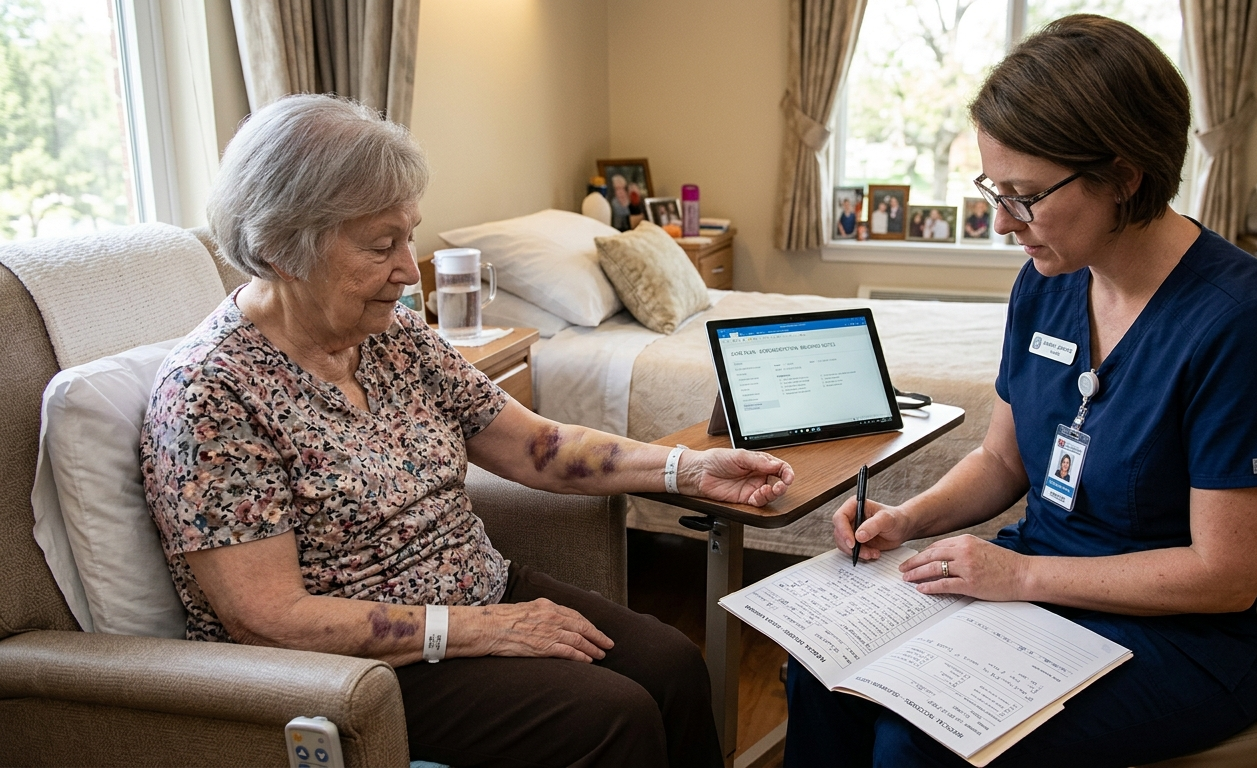
Photographs may also play a valuable role when documenting pressure injuries, bruising, poor hygiene, weight loss, unsafe living conditions, or other visible signs of neglect. Families should also maintain written notes describing conversations with staff members, unexplained incidents, changes in the resident's condition, and any concerns raised during visits. Witness testimony from family members, healthcare providers, former employees, visitors, or even other residents may provide additional insight into the quality of care delivered. Facility policies, staffing schedules, inspection reports, and surveillance footage, when available, may also strengthen the overall investigation.
At Chicago Nursing Home Abuse Attorney, we help families identify, preserve, and evaluate available evidence before it becomes more difficult to obtain. Our role as a nursing home abuse attorney is to build every case on carefully documented facts and to provide compassionate guidance throughout the legal process. Learn more by reading
How Long Do You Have to File a Nursing Home Abuse Claim in Illinois?
Final Thoughts
Discovering that a loved one may have suffered neglect in a nursing home can be emotionally overwhelming. Families often experience uncertainty, frustration, and concern as they try to understand exactly what happened and whether the facility met its legal responsibilities. Although not every injury or medical complication results from negligence, repeated warning signs, inadequate care, unexplained injuries, or serious changes in a resident's condition deserve careful investigation. Taking concerns seriously and acting promptly helps preserve valuable evidence while providing families with a clearer understanding of their legal options. An experienced nursing home abuse attorney can explain whether the available facts may support a claim under Illinois law.
Understanding how negligence is proven, what regulatory violations may indicate, and which types of evidence strengthen a case allows families to make informed decisions during a difficult time. Medical records, photographs, witness statements, inspection reports, staffing information, and facility documentation all contribute to building a complete picture of the care a resident received. Every situation is different, and each case should be evaluated on its own facts rather than assumptions or generalized information found online. Seeking legal guidance early often provides the best opportunity to protect important evidence while helping families understand the next appropriate steps.
Protect Your Loved One's Rights
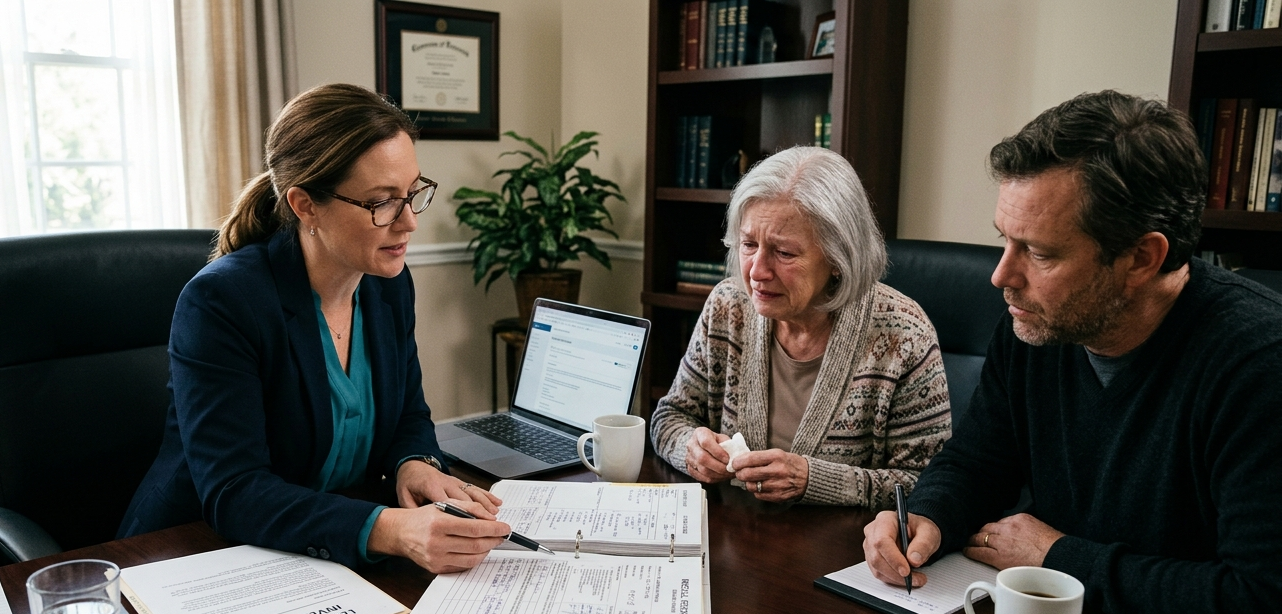
If you believe a family member has experienced neglect or abuse in an Illinois nursing home, obtaining experienced legal guidance can help you better understand your options. We provide compassionate case evaluations, carefully review medical records, investigate facility practices, and explain how Illinois nursing home laws may apply to your family's situation. Every investigation begins with listening to your concerns and gathering the facts necessary to determine whether negligence may have occurred. Working with an experienced nursing home abuse attorney allows families to receive honest guidance while protecting valuable evidence from the earliest stages of the investigation.
At Chicago Nursing Home Abuse Attorney, we understand that every family deserves clear answers, respectful communication, and dedicated legal representation during an incredibly difficult time. Our team is committed to thoroughly investigating each case while helping families pursue accountability when nursing home neglect causes preventable harm.
Contact us today by visiting https://chicagoelderabuselawyer.com/ to schedule a confidential consultation and learn how an experienced nursing home abuse attorney can help protect your loved one's rights.
Follow our social media pages below: