When Nursing Home Neglect Becomes a Legal Case
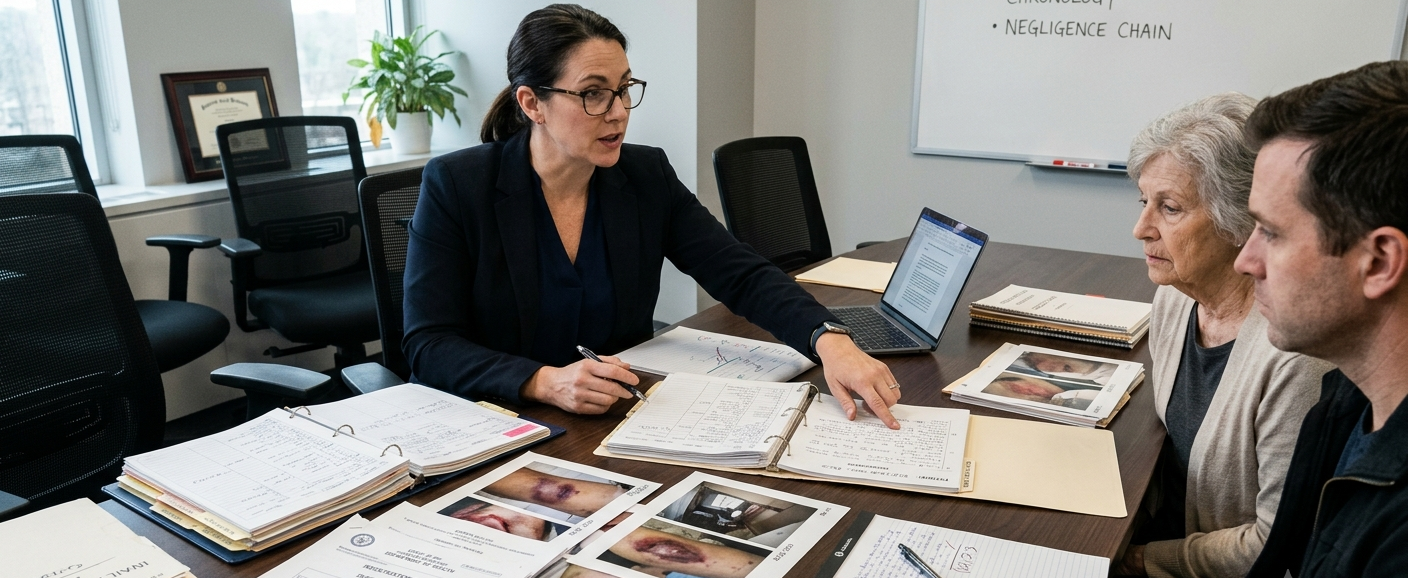
Discovering that a loved one may have been neglected in a nursing home can leave families feeling overwhelmed, angry, and unsure of what to do next. Although not every injury or decline in health results from negligence, nursing homes have a legal duty to provide residents with safe, appropriate care. When that duty is breached and harm occurs, families may have legal options. An experienced nursing home abuse attorney can help evaluate the circumstances and explain whether the situation may support a legal claim.
Understanding the difference between an unfortunate medical outcome and legal negligence is not always easy. Residents often have complex health conditions, making it difficult to determine whether an injury could have been prevented. Learning how negligence is evaluated helps families recognize warning signs, preserve important evidence, and make informed decisions about protecting their loved one's rights.
What Are The 4 Things Needed To Prove Negligence?
To establish negligence in a nursing home case, four legal elements generally must be proven. These include duty of care, breach of duty, causation, and damages. Together, these elements form the legal framework courts use when determining whether a nursing home may be responsible for a resident's injuries. Simply proving that an injury occurred is not enough. A successful claim usually requires evidence showing that the nursing home's actions or omissions directly contributed to the resident's harm. An experienced nursing home abuse attorney carefully evaluates each of these legal requirements before determining whether a negligence claim may exist.
The first element is duty of care. Every licensed nursing home has a legal obligation to provide care that meets accepted professional standards. This responsibility includes appropriate supervision, medication management, personal hygiene, nutrition, infection prevention, medical treatment, and protection from preventable harm. The second element is breach of duty, meaning the facility failed to provide the expected standard of care. Examples include medication mistakes, failure to monitor residents, delayed medical treatment, untreated pressure injuries, poor supervision resulting in falls, or inadequate staffing that prevents residents from receiving necessary assistance. The third element is causation, requiring proof that the nursing home's failure directly caused or substantially contributed to the resident's injuries or decline. Finally, damages must be demonstrated, including physical injuries, emotional suffering, additional medical expenses, disability, reduced quality of life, or wrongful death resulting from the neglect.
At Chicago Nursing Home Abuse Attorney, we carefully examine every aspect of a potential claim before recommending legal action. As an experienced nursing home abuse attorney, we obtain medical records, facility documentation, witness statements, and other available evidence to determine whether these legal elements can be established. We also encourage families to request consultations from several law firms before deciding on representation so they can compare experience, communication, investigative methods, and overall confidence in the legal team they choose.
What Is An Example Of Negligence In Nursing?
Negligence in a nursing home may occur whenever staff members fail to provide the level of care that a reasonably careful healthcare provider would have delivered under similar circumstances. One common example is failing to reposition an immobile resident regularly, which can lead to preventable pressure ulcers. Other examples include medication errors, untreated infections, dehydration, malnutrition, delayed responses to emergency situations, failure to assist residents who require mobility support, or inadequate supervision leading to avoidable falls. Every situation is unique, and determining whether negligence occurred requires careful review of the specific facts surrounding the incident. A knowledgeable nursing home abuse attorney can evaluate whether the available evidence supports a negligence claim.
Negligence may also arise from systemic problems within the facility. Chronic understaffing, poor employee training, inadequate communication between caregivers, or failure to follow established care plans may all contribute to preventable injuries. While staffing shortages alone do not automatically establish negligence, they become legally significant when they prevent residents from receiving appropriate care. Families who notice repeated concerns should begin documenting conversations with staff, medical appointments, visible injuries, and changes in their loved one's condition. These records often become valuable if additional investigation becomes necessary.
The
National Institute on Aging offers educational information on recognizing elder abuse and neglect, identifying warning signs, and available resources for families caring for older adults. At Chicago Nursing Home Abuse Attorney, we understand how difficult these situations can be for families. As a trusted nursing home abuse attorney, we investigate concerns carefully, explain the legal process clearly, and help families understand whether the available evidence may support pursuing legal action.
What Is The Biggest Complaint In Nursing Homes?
One of the most common complaints families report involves inadequate staffing. When there are not enough trained caregivers available, residents may experience delayed assistance with daily activities, slow responses to call lights, medication errors, poor hygiene, missed meals, inadequate supervision, or delayed medical treatment. Staffing shortages alone do not automatically establish legal negligence, but they can create conditions where preventable injuries become much more likely. When these problems contribute to avoidable harm, an experienced nursing home abuse attorney can help determine whether the nursing home failed to meet its legal obligations.
Poor communication is another frequent concern. Families often report receiving inconsistent explanations after falls, unexplained injuries, or medical emergencies. Others experience difficulty obtaining updates regarding changes in their loved one's condition or timely access to medical records. Good communication is a fundamental part of quality care, and repeated failures to provide clear information may justify a closer review of the facility's practices. Other common complaints include untreated pressure injuries, dehydration, malnutrition, medication mistakes, emotional neglect, preventable falls, unsanitary living conditions, and delayed physician notification when residents experience significant changes in health.
If concerns develop, begin documenting everything you observe. Keep detailed notes describing conversations with staff, photograph visible injuries when appropriate, request copies of medical records, and maintain a timeline documenting important events. These records often become valuable when evaluating whether neglect may have occurred. Families considering legal guidance should also compare consultations with several law firms before making a decision. Comparing each firm's experience, communication style, investigative process, and familiarity with nursing home litigation allows you to choose the nursing home abuse attorney who best meets your family's needs.
At
Chicago Nursing Home Abuse Attorney, we understand that many families initially seek answers rather than lawsuits. As experienced nursing home abuse attorneys, we review every situation carefully, explain the available legal options, and help families determine whether additional investigation may be appropriate based on the evidence.
What Are The 5 Ways To Prove Negligence?
Although negligence claims are based on four required elements, several forms of evidence work together to establish them in practice. Strong nursing home negligence cases are often supported by five primary categories of evidence that help explain what happened and whether the facility fulfilled its legal responsibilities. A skilled nursing home abuse attorney carefully gathers, preserves, and evaluates each of these sources before determining whether a legal claim may exist.
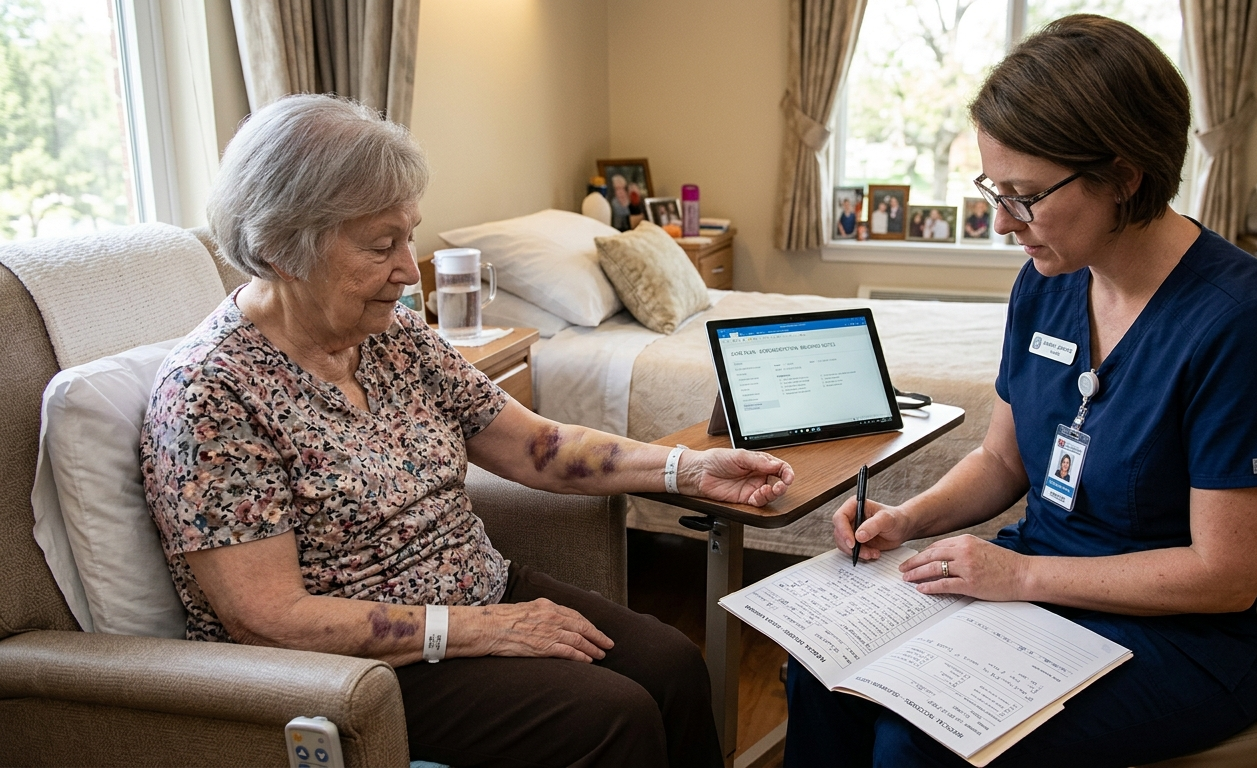
Medical documentation is often the strongest starting point. Hospital records, physician notes, medication administration records, wound care reports, laboratory results, and treatment histories help establish the resident's condition before and after the suspected neglect occurred. Photographs provide another valuable form of evidence by documenting bruises, pressure ulcers, poor hygiene, unsafe conditions, or other visible injuries that written records alone may not fully capture. Witness testimony also plays an important role. Family members, healthcare providers, facility employees, visitors, and other residents may all provide observations that help explain the quality of care delivered or identify concerning patterns within the facility.
Facility documentation represents another critical category of evidence. Staffing schedules, care plans, inspection reports, incident reports, internal communications, and policy manuals may reveal whether proper procedures were followed or whether deficiencies existed before the injury occurred. Finally, expert opinions often strengthen nursing home negligence cases. Qualified medical experts review the available evidence and explain whether the nursing home's care met accepted professional standards. Together, these five forms of evidence help establish whether negligence occurred while providing a comprehensive understanding of the resident's care. An experienced nursing home abuse attorney understands how these different forms of evidence work together to build a fact-based legal case.
At Chicago Nursing Home Abuse Attorney, we carefully evaluate every available source of information before advising families about possible legal action. As a dedicated nursing home abuse attorney, we believe strong cases are built through careful investigation, reliable documentation, and objective analysis rather than assumptions or speculation. To learn more, you can read
Choosing the Right Chicago Nursing Home Abuse Law Firm.
What Evidence Is Used In A Nursing Home Negligence Case?
Every nursing home negligence case depends on the strength and quality of the available evidence. Thorough documentation not only helps establish what happened but also allows attorneys to determine whether the nursing home met its legal duty to provide appropriate care. Medical records frequently provide the strongest foundation because they document diagnoses, physician observations, medications, treatment plans, laboratory results, wound care, and changes in the resident's health over time. Comparing records before and after the suspected neglect often helps identify patterns that deserve closer examination. An experienced nursing home abuse attorney carefully reviews these records alongside other available evidence to evaluate the overall strength of a potential claim.
Families should also preserve photographs whenever appropriate. Images showing bruises, pressure injuries, unsafe living conditions, significant weight loss, poor hygiene, or other visible changes may provide valuable visual evidence supporting the written medical documentation. Maintaining a detailed written timeline is equally important. Recording conversations with staff, dates of incidents, hospital visits, changes in condition, and facility responses often helps establish a clear sequence of events that may later become important during an investigation.
Additional evidence may include staffing schedules, facility policies, inspection reports, surveillance footage when available, incident reports, and testimony from healthcare providers or other witnesses. Individually, each piece of evidence tells only part of the story. Together, these materials help determine whether the nursing home's actions or omissions contributed to the resident's injuries. At Chicago Nursing Home Abuse Attorney, our role as a nursing home abuse attorney is to identify, preserve, and evaluate every available source of evidence while helping families understand both the strengths and potential challenges of their case.
Final Thoughts
Nursing home neglect cases are often emotionally challenging because families are trying to protect someone they love while also understanding what truly happened. Although not every injury or medical complication results from negligence, repeated warning signs, inadequate care, unexplained injuries, or preventable declines in health deserve careful investigation. Learning how negligence is evaluated, understanding the types of evidence that strengthen a claim, and acting promptly when concerns arise all help families make informed decisions during a difficult time. An experienced nursing home abuse attorney can explain your legal rights while helping determine whether the available evidence supports legal action.
Every case is unique, and no two nursing home situations are exactly alike. Medical records, photographs, witness statements, staffing documentation, inspection reports, and expert opinions all contribute to determining whether the nursing home met the accepted standard of care. Early action often makes it easier to preserve this evidence while protecting your loved one's health and legal rights. Families deserve clear answers, honest guidance, and compassionate legal representation as they navigate these difficult circumstances.
Protect Your Loved One's Rights
If you believe your loved one has suffered neglect or abuse in a nursing home, obtaining experienced legal guidance can help you understand your available options. We carefully review medical records, investigate facility practices, evaluate available evidence, and explain how Illinois law applies to your family's specific situation. Every consultation begins with listening to your concerns, answering your questions, and determining whether additional investigation may be appropriate. Working with an experienced nursing home abuse attorney helps ensure valuable evidence is preserved while your legal rights remain protected.
Contact us today by visiting https://chicagoelderabuselaw.com/ to schedule a confidential consultation with an experienced nursing home abuse attorney. We are here to help you understand your legal options and determine the most appropriate path forward for your family.
Follow our social media pages below: