How to Choose the Right Nursing Home Abuse Lawyer
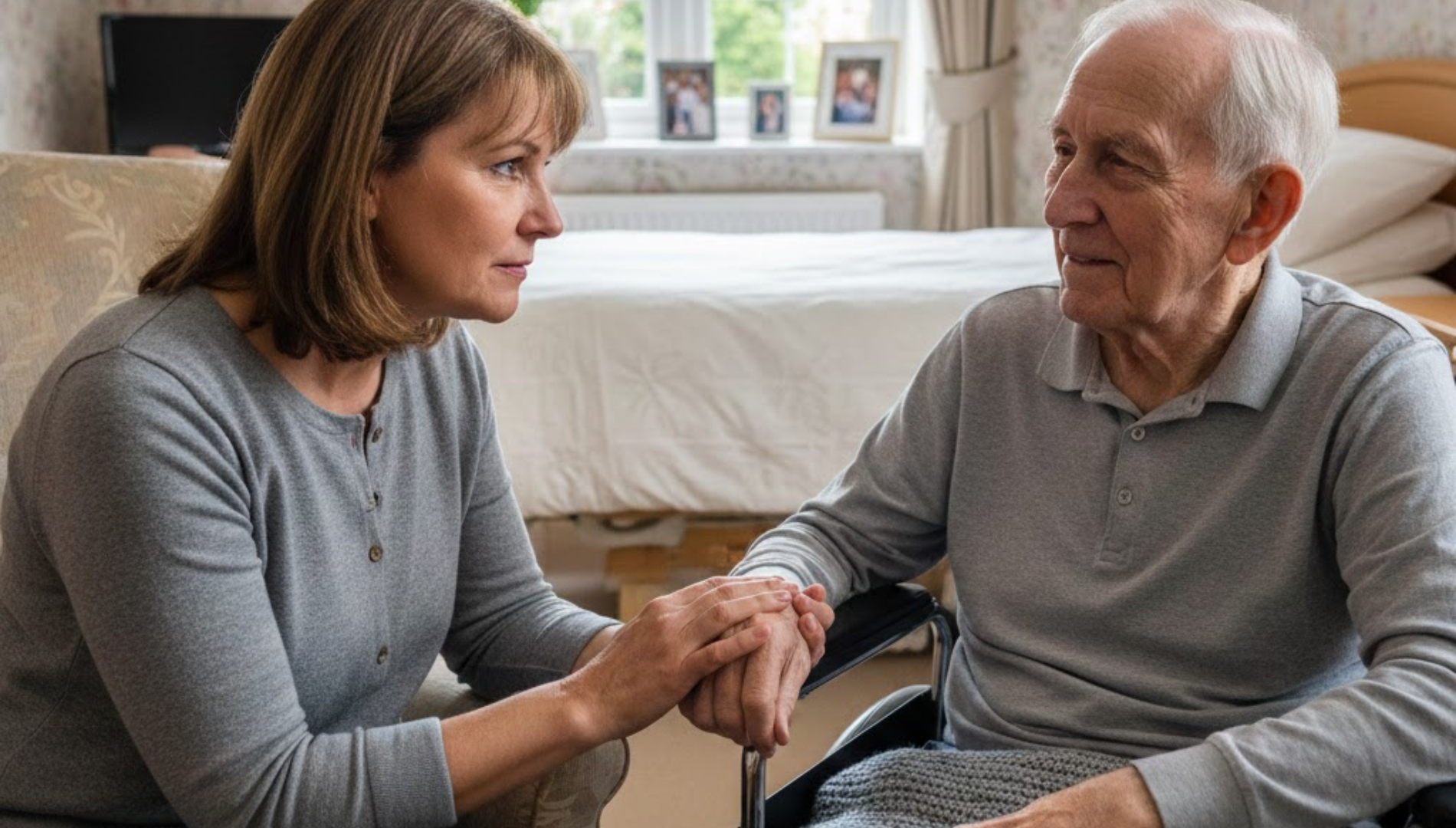
Choosing a lawyer to protect your loved one after abuse or neglect in a nursing home is one of the most important decisions you’ll ever make. When families reach out to a Chicago Nursing Home Abuse Lawyer, they’re often overwhelmed, angry, scared, and unsure who to trust. Many say the same thing:
“I don’t want to make the wrong decision, this is too important.”
And they’re right. Nursing home abuse cases are not like typical personal injury claims. They involve vulnerable seniors, complex medical issues, and facilities that often have entire legal teams defending them. These cases require deep knowledge of federal care regulations, medical standards, staffing requirements, documentation practices, and investigative strategies specific to long-term care.
The lawyer you choose can determine whether your loved one receives justice, or whether a negligent facility hides behind excuses and paperwork.
What Is the Best Way to Choose a Lawyer?
The best way to choose a lawyer, especially for nursing home abuse cases, is to focus on specialization, experience, and results. First, look for an attorney who concentrates specifically on elder abuse, nursing home neglect, or assisted living injury cases. A seasoned Chicago Nursing Home Abuse Lawyer understands the unique regulations, medical issues, and facility tactics that arise in these cases.
Next, review the attorney’s track record. Check their verdicts, settlements, online reviews, and client testimonials. Strong outcomes suggest they know how to investigate nursing homes, challenge their defenses, and obtain justice for families.
During a consultation, pay attention to communication. Do they listen carefully? Do they explain your options in plain language? Do they treat your concerns as serious, not as “just another case”? Nursing home abuse claims are deeply emotional, and you need someone who understands both the legal and human sides of the situation.
Finally, consider their resources. Successful cases often require medical experts, investigators, and access to facility records. According to the National Consumer Voice for Quality Long-Term Care, legal advocacy is one of the strongest tools in fighting elder abuse.
Choosing the right lawyer means choosing someone with the knowledge, compassion, and determination to truly fight for your family.
What Chicago Families Tell Us Most Often
Over the years, families across the city and suburbs have told a Chicago Nursing Home Abuse Lawyer the same thing:
“We didn’t know what a good nursing home abuse lawyer looked like until we needed one.”
Many started with general personal injury attorneys who mainly handled car accidents or slip-and-fall cases. Those lawyers often lacked experience with nursing home regulations, staffing standards, or the specific ways facilities try to cover up neglect.
One Chicago family came to us after their father suffered repeated falls, dehydration, and unexplained bruising. Their first lawyer accepted the nursing home’s excuses at face value and never requested full records. Months went by with no real progress. When they switched to a Chicago Nursing Home Abuse Lawyer who focuses on elder abuse, the approach changed immediately. We obtained care logs, fall reports, medication charts, and staffing schedules. That evidence revealed chronic understaffing, ignored call lights, and falsified documentation.
The difference wasn’t just the lawyer, it was the lawyer’s experience with this exact type of case. That’s why choosing the right attorney from the very beginning matters so much. You’ll find useful guidance in Top Strategies for Reducing Fall Risk in Elder Care Facilities.
What Evidence Is Crucial in Nursing Home Cases?
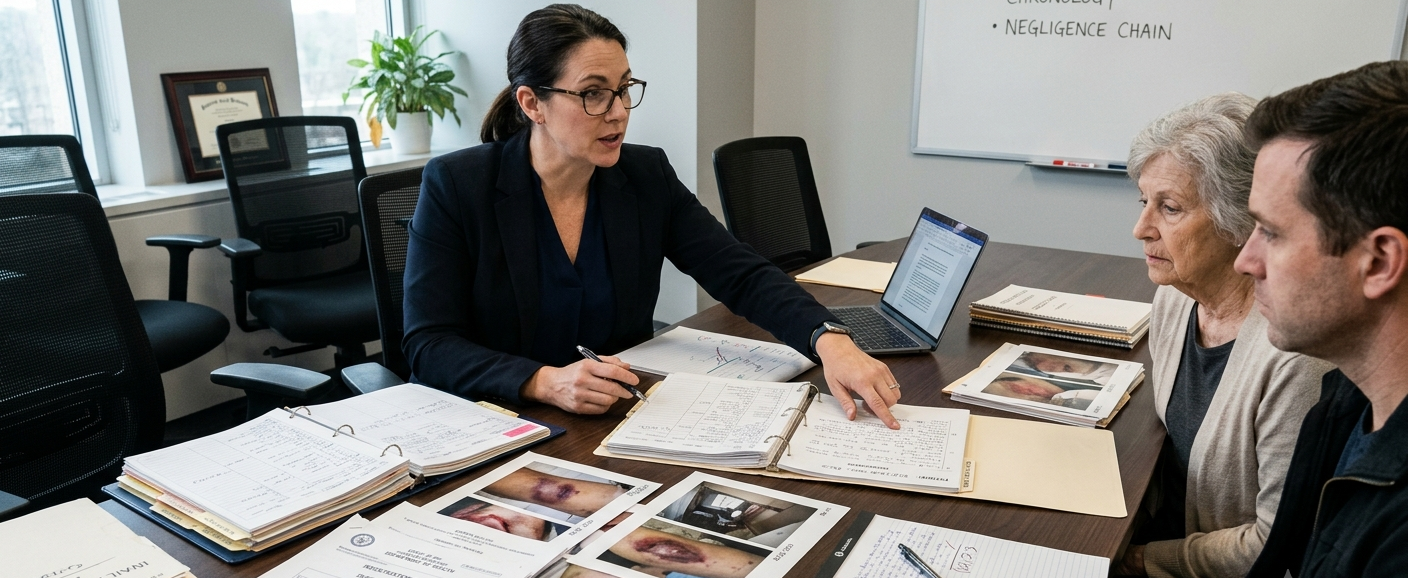
Strong evidence is the backbone of every nursing home abuse or neglect case. A skilled Chicago Nursing Home Abuse Lawyer won’t just “take your word for it”, they’ll help you gather and preserve the records that prove what really happened.
Key forms of evidence include:
1. Medical Records
- Hospital and ER reports
- Wound care notes (bed sores, fractures, infections)
- Lab results showing dehydration or malnutrition
- Physician and nurse progress notes
These records show what injuries occurred and how the facility responded—or failed to respond.
2. Care Logs and Charts
- Turning/repositioning schedules
- Feeding and hydration logs
- Medication administration records
- Fall risk assessments
These logs are often incomplete or falsified, and an experienced Chicago Nursing Home Abuse Lawyer knows how to spot red flags and inconsistencies.
3. Photos and Videos
- Bruises, bed sores, cuts, or restraint marks
- Unsanitary conditions in rooms or bathrooms
- Soiled bedding or clothing
Visual evidence can be incredibly powerful and difficult for facilities to dispute.
4. Staff Statements and Witness Accounts
- Testimony from other residents’ families
- Former or current employees willing to speak out
- Statements from treating doctors or specialists
5. Facility Violations and Inspection Reports
- Illinois Department of Public Health (IDPH) reports
- Prior citations for staffing, safety, or care deficiencies
6. Surveillance Footage (When Available)
Not all facilities share video willingly, but in cases where it exists, it can be pivotal.
The earlier you involve a Chicago Nursing Home Abuse Lawyer, the easier it is to preserve this evidence before it disappears or gets “lost.”
Who Do You Contact for Nursing Home Abuse?
When you suspect abuse or neglect, it’s easy to feel paralyzed. But the steps you take in the first few days can make a huge difference.
1. A Chicago Nursing Home Abuse Lawyer (First and Immediately)
A dedicated Chicago Nursing Home Abuse Lawyer can:
- Tell you what to document
- Send preservation letters to the facility
- Stop records from being destroyed or altered
- Help you decide whether to move your loved one
2. Illinois Department of Public Health (IDPH)
IDPH oversees licensed nursing homes across Illinois. They can:
- Investigate complaints
- Inspect facilities
- Interview staff
- Issue violations
3. Local Police
If there is suspected physical assault, sexual abuse, severe neglect, or life-threatening harm, call law enforcement immediately.
4. Adult Protective Services (APS)
APS handles elder abuse investigations in private homes and some community settings.
5. Long-Term Care Ombudsman
Ombudsmen advocate directly for residents, help resolve complaints, and provide an extra layer of oversight.
Many families also schedule consultations with multiple attorneys. Comparing how each Chicago Nursing Home Abuse Lawyer listens, explains, and plans can help you choose the advocate who fits your family best, especially when decisions must be made quickly.
How to File a Complaint Against a Nursing Home in Illinois
Filing a formal complaint is an important step in holding a facility accountable, but it’s only part of the process. Here’s how it typically works:
1. Contact the Illinois Department of Public Health (IDPH)
You can file a complaint:
- Online via the IDPH website
- By phone through their complaint hotline
- By mail
- By fax
IDPH is responsible for investigating, inspecting records, and interviewing staff to determine whether state or federal regulations were violated.
2. Provide Detailed Information
Include as many specifics as possible:
- Dates and times of incidents
- Description of injuries or neglect
- Names of staff, witnesses, or residents involved
- Photos or records, if available
3. Request Facility Records
A Chicago Nursing Home Abuse Lawyer can help you formally request records and ensure key documents aren’t withheld or redacted improperly.
4. Track the Investigation
Keep a record of every phone call, letter, or email regarding your complaint. Note the names of IDPH staff, timelines, and summaries of what you’re told.
5. Understand the Limits
IDPH can issue fines, citations, and corrective action plans, but they do not provide financial compensation for your loved one’s injuries. That requires a civil claim.
That’s why it’s crucial to combine the complaint process with guidance from a Chicago Nursing Home Abuse Lawyer who can pursue a separate legal case on your family’s behalf.
Red Flags Families Should Never Ignore
Many families miss early signs of abuse because they don’t always look like abuse at first. You may tell yourself it’s “just aging” or “just a bad day,” but certain patterns should never be brushed aside.
Common red flags include:
- Sudden or unexplained weight loss
- Frequent infections or repeated hospital visits
- Bed sores (pressure ulcers), these are always a sign of failure in care
- Unexplained bruises, cuts, or fractures
- Dirty clothing or unchanged bedding
- Strong odors of urine or feces in the room
- Emotional withdrawal or a loved one becoming unusually quiet or fearful
- Medication errors, such as missed doses or over-sedation
- Fear or discomfort around specific staff members
- Staff refusing to answer questions or constantly saying they are “too busy”
If you see more than one of these signs, or if something simply doesn’t feel right, trust your instincts. A knowledgeable Lawyer from Chicago Nursing Home Abuse Attorney can help you determine whether what you’re seeing is unfortunate but legal, or whether it crosses the line into actionable neglect or abuse.
Questions to Ask Before You Hire a Nursing Home Abuse Lawyer
To feel confident in your choice, ask any potential attorney:
- “How many nursing home abuse cases do you handle each year?”
- “Have you taken cases like mine to trial, or do you mostly settle?”
- “Do you have experience with my specific issue—bed sores, falls, dehydration, medication errors, or physical abuse?”
- “Will I be working directly with you, or mostly with staff?”
- “How often will you update me on my case?”
- “What are your fees, and do you work on a contingency basis?”
- “What are the strengths and weaknesses of my case, honestly?”
A strong Chicago Nursing Home Abuse Lawyer will answer clearly, confidently, and without pressure. If someone is evasive, dismissive, or vague about their experience, that’s a red flag.
Final Thoughts
Choosing the right attorney is not about finding the flashiest website or the loudest advertisement. It is about selecting someone who truly understands nursing home regulations, recognizes how facilities attempt to conceal neglect, and has a proven track record in handling elder abuse claims. The right attorney also communicates with honesty and compassion and is fully prepared to stand up to powerful corporations and insurance companies.
An experienced Chicago Nursing Home Abuse Lawyer can uncover the truth, protect your loved one, and ensure the facility is held accountable for the harm it caused. You do not have to navigate this painful situation on your own, and you should not have to.
Your loved one deserves safety, dignity, and respect. Choosing the right lawyer can help make that a reality, not only for your family but also for other residents who may be suffering in silence.
If you suspect abuse or neglect in a nursing home, don’t wait, reach out to Chicago Nursing Home Abuse Attorney today for immediate guidance and support.