Nursing Home Falls In Chicago: Common Causes And Who Is Liable
It is the call every family dreads.
“There’s been a fall.”
Your stomach drops. You rush to the nursing home. You see bruising. Maybe a cast. Maybe stitches. Sometimes it is worse, a fractured hip, a head injury, or a sudden decline that changes everything.
Then the questions begin.
Was this preventable? Was someone supposed to be helping? Who is responsible?
As a
Chicago Nursing Home Falls Attorney, we regularly speak with families who are trying to understand whether what happened was an unavoidable accident or the result of negligence. Falls in nursing homes are common, but they are not always unavoidable. Many occur because of inadequate supervision, understaffing, unsafe premises, medication effects that were not monitored, or a failure to follow a resident’s care plan. The challenge is that facilities often use careful language after a fall, and families are left with half answers and a growing fear that their loved one is not safe.
This is exactly why professional legal guidance matters. A serious fall is not only a medical event. It is a safety event, a documentation event, and often a compliance event. An experienced Chicago Nursing Home Falls Attorney knows how to look beyond the initial explanation and identify what policies should have been in place, whether those safeguards were followed, and what records can prove it.
What Is The Most Common Cause Of Falls In Nursing Homes?
The most common cause of falls in nursing homes is inadequate supervision combined with mobility limitations. Many residents require assistance when walking, transferring from bed to chair, or using the restroom. When facilities fail to provide proper staffing, assistive devices, or timely response to call lights, residents are placed at significant risk. Other frequent causes include slippery floors, poor lighting, improper bed height, missing handrails, medication side effects, and failure to assess fall risk.
Federal regulations require nursing homes to conduct fall risk assessments and implement prevention measures for high-risk residents. When those safeguards are not followed, the facility may be liable for resulting injuries. A Chicago Nursing Home Falls Attorney can investigate whether staff ignored care plans, failed to monitor residents properly, or neglected environmental safety standards. Falls may happen in healthcare settings, but preventable falls often signal deeper negligence that families have the right to address.
According to the
Centers for Disease Control and Prevention, falls are a leading cause of injury among older adults and can result in serious complications such as fractures and head trauma.
In nursing homes, the risk rises when residents are frail, on multiple medications, or dependent on staff for basic movement. A Chicago Nursing Home Falls Attorney will often focus on whether the facility identified those risk factors and acted on them. It is not enough for a facility to say a resident is “a fall risk.” The standard is whether the facility used reasonable fall prevention measures and followed the care plan in real time.
What Are The Things Required To Prove Negligence?
Families often ask, “How do we prove this was negligence?” The answer is structured, but it is not mysterious. To establish negligence in a nursing home fall case, four legal elements must be proven: duty of care, breach of duty, causation, and damages.
Duty of care means the facility had an obligation to provide reasonable care and safe living conditions. That duty is not optional. Nursing homes accept responsibility for residents who often cannot protect themselves.
Breach of duty means the facility failed to meet that obligation. This can look like ignoring a care plan, failing to supervise a high-risk resident, not providing a walker, not using an alarm that was ordered, or allowing hazards like wet floors and cluttered walkways.
Causation means the breach contributed to the fall and injury. In other words, the failure mattered. If a resident required assisted transfers and was left alone, it is reasonable to examine whether that lack of assistance caused the fall.
Damages refer to the harm that followed, including medical expenses, pain, loss of mobility, emotional distress, and increased care needs.
A Chicago Nursing Home Falls Attorney typically builds these elements using evidence, not guesses. That often includes medical records, care plans, incident reports, staffing schedules, training and policy documents, witness statements, and in some situations, surveillance footage. A Chicago Nursing Home Falls Attorney may also consult medical experts when necessary to clarify what should have happened, what risks were foreseeable, and whether proper supervision likely would have prevented the fall.
This is where being a true professional matters. Nursing home fall cases are technical. They involve regulations, compliance expectations, clinical terms, and documentation practices. A seasoned Chicago Nursing Home Falls Attorney has the training to interpret these records, spot inconsistencies, and present the facts in a way that holds up under scrutiny. Families should not have to become experts in nursing home documentation just to get answers. For more insights, see
Hidden Signs of Nursing Home Abuse Families Often Miss.
Who Is Responsible For Injuries That Occur In Common Areas Based On Negligent Upkeep?
Some falls happen during transfers or toileting. Others happen in hallways, dining rooms, bathrooms, lounges, or outdoor paths. When falls occur in common areas due to unsafe conditions, the nursing home may be responsible under premises liability principles and general negligence standards.
Common examples include floors that were wet without warning signs, loose or curled carpeting, poor lighting, broken handrails, cluttered walkways, uneven transitions between surfaces, and wheelchairs or equipment left in the path of travel. These hazards are not rare, and they are not harmless. In a nursing home setting, a small trip hazard can lead to a catastrophic injury.
Facilities are expected to maintain a safe environment for residents, especially because residents often have limited balance, impaired vision, or mobility challenges. A Chicago Nursing Home Falls Attorney will often look at whether the facility had reasonable inspection routines and whether staff corrected hazards promptly. If the facility knew, or should have known, about a hazard and did not address it, liability becomes a serious question.
Professional representation matters here as well. A Chicago Nursing Home Falls Attorney can request records related to maintenance, prior complaints, and incident patterns. If a hazard existed long enough that it should have been corrected, that can strengthen a claim.
What To Do If A Patient Falls In A Nursing Home?
When your loved one falls, the first priority is medical care. Request an immediate evaluation and follow-up if symptoms change. Head injuries can show delayed signs. Hip fractures often require surgery. Even a fall that seems minor can trigger a rapid decline in older adults.
Once medical needs are addressed, families can take several practical steps that often make a real difference later. Ask for a copy of the incident report or, at minimum, request that the facility preserve it. Document visible injuries with photos and date notes. Ask what the facility believes caused the fall and whether the care plan will be updated. Pay attention to how quickly staff responds to questions and how consistent their answers are.
It is also reasonable to ask whether the resident’s fall risk assessment was updated, whether new precautions were implemented, and whether supervision levels changed. These questions are not “causing trouble.” They are protective. A facility providing high-quality care should be able to answer them clearly.
If your instincts tell you something is off, contact a Chicago Nursing Home Falls Attorney for guidance. Speaking with a Chicago Nursing Home Falls Attorney does not automatically mean filing a lawsuit. It means understanding what should have happened, what evidence exists, and what steps protect your loved one now.
Why Falls Require Serious Attention
Falls are among the most dangerous events for elderly residents. Complications can include broken bones, traumatic brain injuries, internal bleeding, reduced mobility, increased risk of infection, fear of walking, loss of independence, and emotional trauma. In severe cases, falls contribute to wrongful death.
Many families describe the same heartbreaking pattern. A loved one falls, goes to the hospital, becomes weaker, then returns to the facility needing more help. If staffing and supervision were weak before, the risk can become even higher afterward. That is why accountability matters. When a fall is preventable, it is not only about compensation. It is about ensuring the resident is not placed back into the same unsafe conditions.
Chicago Nursing Home Abuse Attorney approaches these cases with the seriousness they deserve. Facilities are legally obligated to assess fall risk, provide assistive devices, and supervise vulnerable residents. When they fail, accountability is not about blame for the sake of blame. It is about safety, dignity, and justice.
The Role Of A Chicago Nursing Home Falls Attorney
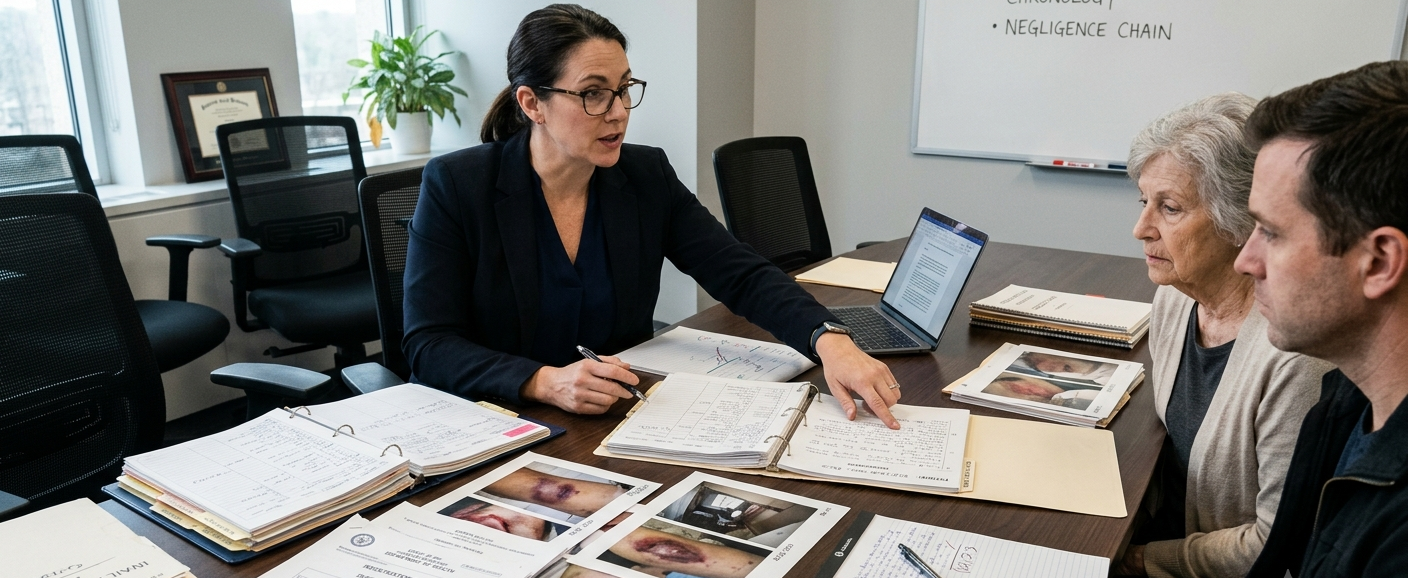
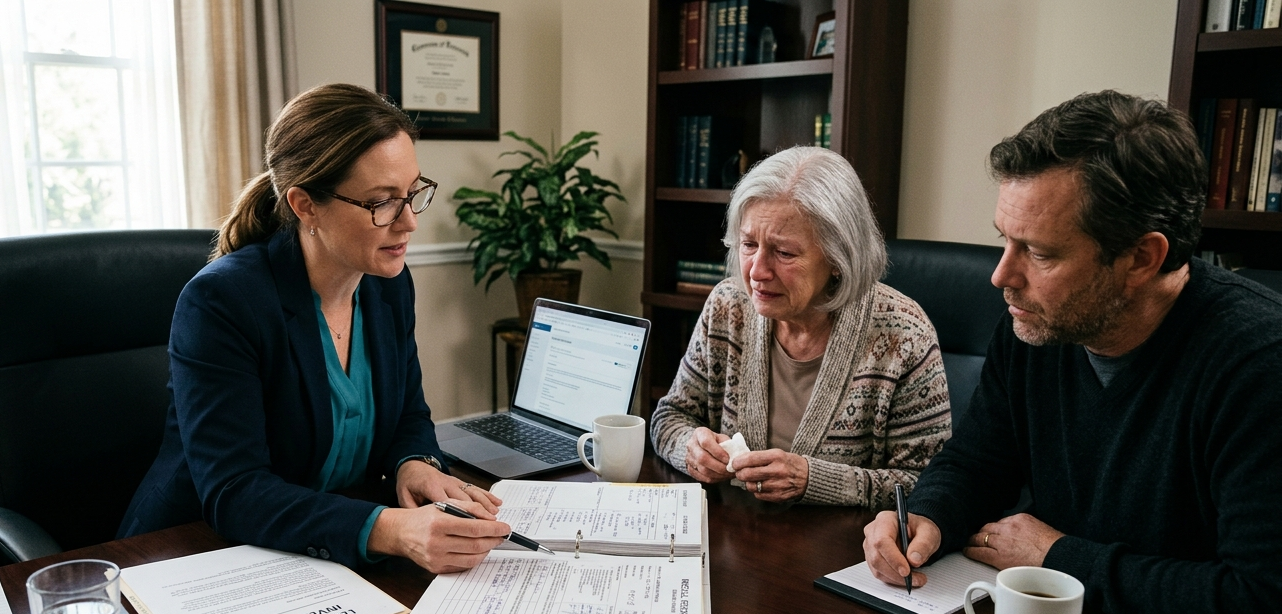
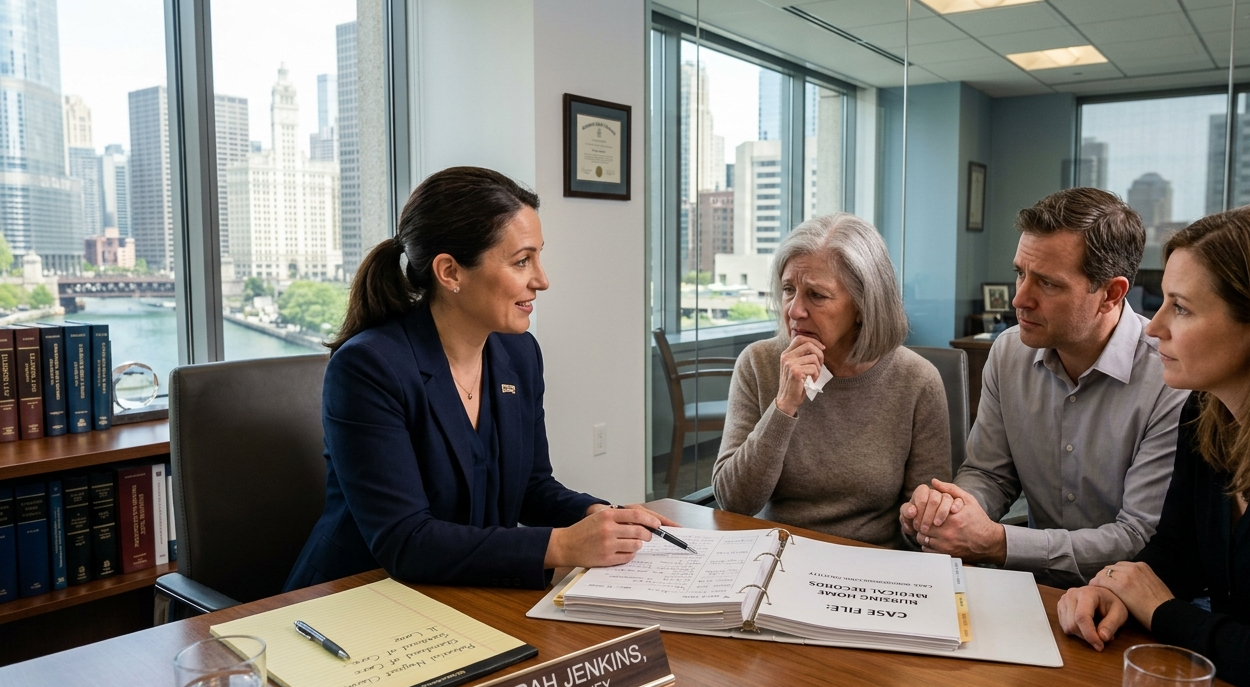
When families contact us, the first step is listening. We gather the timeline, the resident’s baseline health, the care plan requirements, and what the family observed. Then we move into professional investigation.
Chicago Nursing Home Abuse Attorney may review medical records, care plans, incident reports, and facility notes to understand the official narrative. We may request staffing records, training documentation, and compliance materials where relevant. We assess whether the facility met its legal duty and whether the fall was foreseeable and preventable.
This is not a casual process. Our work is built on training, experience, and careful preparation. A professional Chicago Nursing Home Falls Attorney knows how to build a case that stands up to intense review by insurers, defense counsel, and the court. We also know how to identify and use the types of facility inspection history and regulatory findings that can reveal broader issues. Facilities are subject to oversight, and those records can help families understand whether problems are isolated or part of a pattern.
Just like a facility must meet inspection standards, legal claims must meet evidence standards. That is why professional legal representation is so important. We do not rely on assumptions. We rely on records, expert support when needed, and a clear, organized presentation of the facts. When families choose a Chicago Nursing Home Falls Attorney, they are choosing a team trained to do the work correctly and thoroughly, so the case can withstand scrutiny and move forward with confidence.
A Chicago Nursing Home Falls Attorney can also pursue compensation for medical expenses, rehabilitation costs, pain and suffering, emotional distress, and long-term care needs. In severe cases, families may pursue wrongful death claims. The goal is to pursue a result that reflects the real impact on the resident and the family.
Final Thoughts
Falls in nursing homes are common, but that does not mean they are always unavoidable. When a facility ignores safety protocols, understaffs its units, or fails to follow a resident’s care plan, serious injuries can occur.
If your loved one has fallen in a Chicago nursing home, you deserve answers. Understanding who is liable is the first step toward accountability. Chicago Nursing Home Abuse Attorney can help you determine whether the fall was preventable, whether the facility followed required precautions, and what options may be available.
We believe protecting vulnerable residents strengthens the entire community. When facilities are held accountable, standards improve for everyone, and families gain the clarity they need to make safe decisions.
Contact us today to speak with an experienced Chicago Nursing Home Falls Attorney for a confidential consultation. Visit https://chicagoelderabuselaw.com/ to reach out and learn how our team can help protect your family’s rights.