Top Strategies For Reducing Fall Risk In Elder Care Facilities
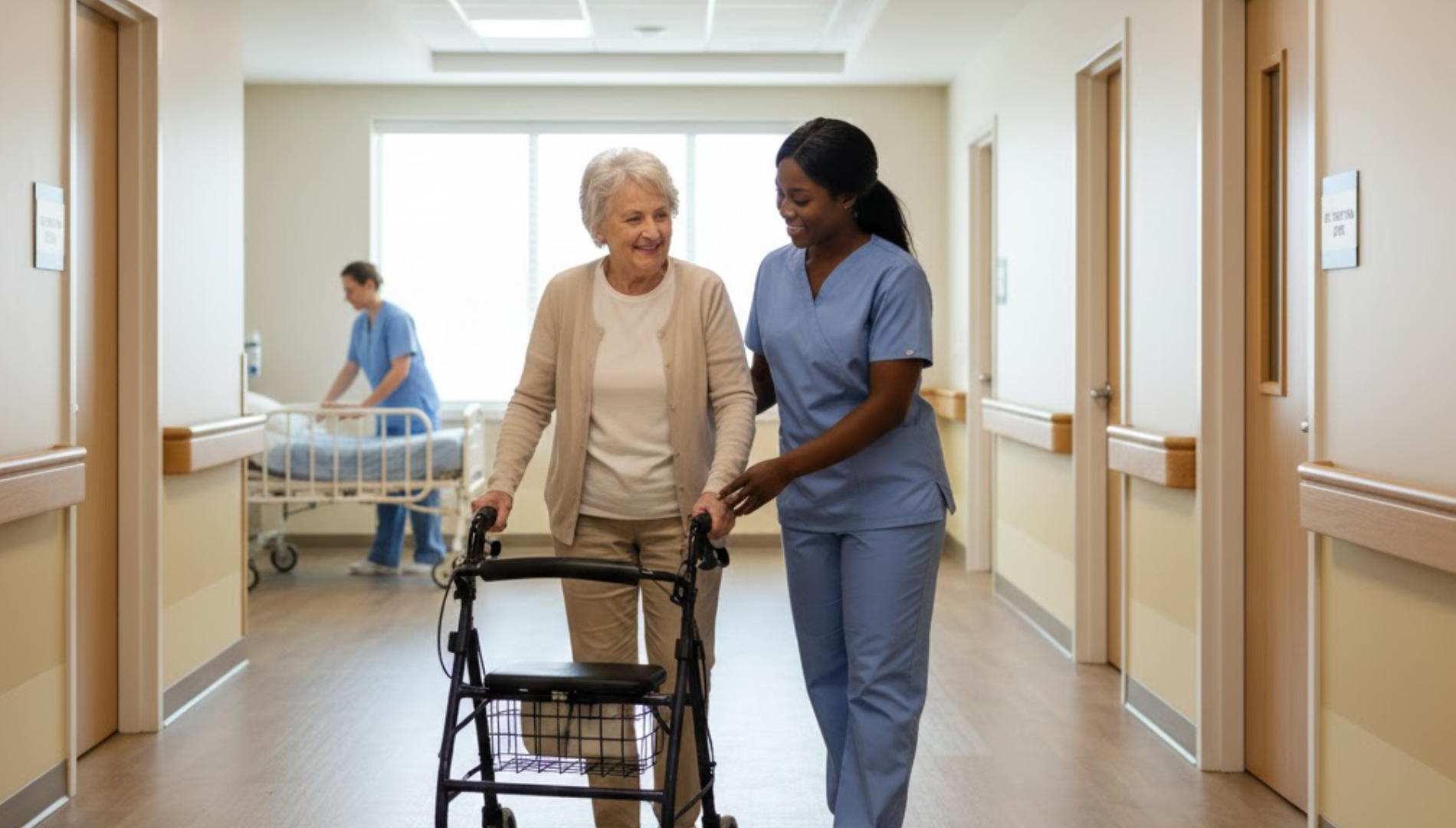
Falls are one of the leading causes of injury and death among elderly adults, especially in nursing homes and assisted living facilities. Every year, thousands of residents experience preventable falls caused by poor supervision, unsafe environments, or inadequate staffing.
According to the Centers for Disease Control and Prevention (CDC), more than 800,000 older Americans are hospitalized each year due to fall-related injuries, most often hip fractures and head trauma.
Reducing fall risk in elder care facilities isn’t just about safety, it’s about maintaining dignity, independence, and trust. If your loved one has suffered a preventable fall, consulting an experienced Chicago Nursing Home Falls Attorney can help protect their rights and ensure accountability.
Why Falls Are So Dangerous for the Elderly
As people age, changes in muscle strength, balance, vision, and bone density increase the risk and severity of falls. A single accident can lead to broken bones, long-term disability, or loss of mobility and independence.
In nursing homes, these incidents are especially concerning because residents depend on staff for mobility assistance and supervision. When a facility fails to take proper precautions, a preventable fall can have devastating consequences.
What Are Effective Interventions for Reducing Fall Risks in Elderly Hospitalized Patients or Residents of Aged Care?
Preventing falls in elderly patients requires a comprehensive, proactive approach. Rather than waiting for accidents to occur, care facilities must identify risks early and intervene consistently.
Here are proven interventions that reduce fall risk among older adults:
1. Individualized Risk Assessments
Every resident should receive a personalized fall risk evaluation upon admission and throughout their stay. This includes assessing:
- Medical conditions such as osteoporosis or Parkinson’s disease
- Vision and hearing ability
- Medication side effects (like dizziness or fatigue)
- Mobility level and gait stability
Regular reassessments ensure that changes in health or medication don’t increase fall risk unnoticed.
2. Environmental Safety Measures
A safe environment is one of the simplest and most effective interventions. Key improvements include:
- Installing
non-slip flooring and grab bars in bathrooms
- Keeping hallways clear of clutter
- Providing adequate lighting at night
- Adjusting bed and chair heights for easy movement
These small environmental adjustments can dramatically reduce accidents.
3. Proper Footwear and Mobility Aids
Encouraging residents to wear sturdy, non-slip footwear and ensuring that mobility aids (like canes or walkers) fit properly can significantly lower fall risk.
4. Staff Training and Awareness
Ongoing staff training ensures that caregivers know how to assist residents and respond quickly and safely to hazards. Adequate staffing ratios are critical, understaffing is a major contributor to preventable falls.
5. Exercise and Strengthening Programs
Physical therapy and low-impact exercises, such as tai chi or seated balance training, can improve strength, coordination, and flexibility. Studies show that exercise-based interventions can reduce falls by up to 30% among seniors.
How Can You Help Reduce the Risk of Falls in an Elderly Home?
Families play a vital role in fall prevention. Here’s how you can help keep your loved one safe:
1. Communicate with Facility Staff
Stay involved and ask how the facility monitors fall risks. If your loved one starts new medications or has shown signs of balance problems, make sure the staff is aware immediately.
2. Visit Frequently and Observe
Look for potential hazards such as poor lighting, slippery floors, or missing handrails. Also, pay attention to any unexplained bruises or injuries that could indicate neglect.
3. Encourage Safe Activity
Promote gentle, supervised exercise to help your loved one maintain muscle tone and confidence while moving around.
4. Check Equipment and Footwear
Ensure mobility aids and footwear are appropriate, well-maintained, and properly fitted. Faulty or worn-out devices can cause serious accidents.
5. Schedule Regular Health Checkups
Routine eye exams, hearing tests, and medication reviews can help identify issues that may increase the risk of falls.
If your concerns are ignored or your loved one experiences repeated injuries, reach out to a Chicago Nursing Home Abuse Attorney for legal advice.
What Are the Most Effective Strategies for Fall Prevention Among Geriatric Patients?
Fall prevention is most successful when it integrates medical care, environmental design, and ongoing supervision. Here are some of the most effective strategies used in elder care:
1. Medication Management
Some medications cause dizziness, fatigue, or confusion. Regular medication reviews help doctors adjust prescriptions and minimize side effects that increase fall risk.
2. Bed and Chair Alarms
Alarms alert caregivers when high-risk residents attempt to move unassisted. This allows staff to respond before a fall happens.
3. Adequate Hydration and Nutrition
Dehydration and poor nutrition can cause weakness and disorientation. Ensuring residents receive balanced meals and fluids helps maintain stability and alertness.
4. Vision and Hearing Care
Routine vision and hearing exams prevent falls caused by poor perception. Glasses and hearing aids should always be kept clean and accessible.
5. Proper Transfer Techniques
Staff must be trained in safe lifting and transfer methods using gait belts, transfer boards, or lifts. Incorrect techniques can cause falls for both residents and caregivers.
6. Post-Fall Evaluations
After every fall, facilities must document the event, identify causes, and modify the care plan accordingly. Ignoring or underreporting falls is not only dangerous, it may be considered negligence.
What Are the 5 P’s of Falls Prevention?
The 5 P’s provide a quick and effective daily checklist for caregivers to help prevent falls before they occur:
- Pain – Is the resident experiencing discomfort that might cause sudden movement?
- Potty – Do they need assistance using the restroom?
- Position – Are they sitting or lying comfortably with proper support?
- Possessions – Are personal items (like glasses, phones, or water) within reach?
- Pathway – Is the area around them clean, dry, and free of hazards?
Consistently addressing these five factors helps caregivers maintain a safer, more comfortable environment for residents. Find helpful advice in Step-by-Step Guide to Handling Nursing Home Abuse Cases.
The Legal Side: When Falls Indicate Negligence
Not every fall is an accident. Many are the result of facility negligence, such as:
- Inadequate supervision or staffing
- Unsafe or poorly maintained environments
- Lack of individualized care plans
- Failure to assist high-risk residents
When a nursing home neglects its duty to prevent foreseeable falls, it may be legally liable for resulting injuries.
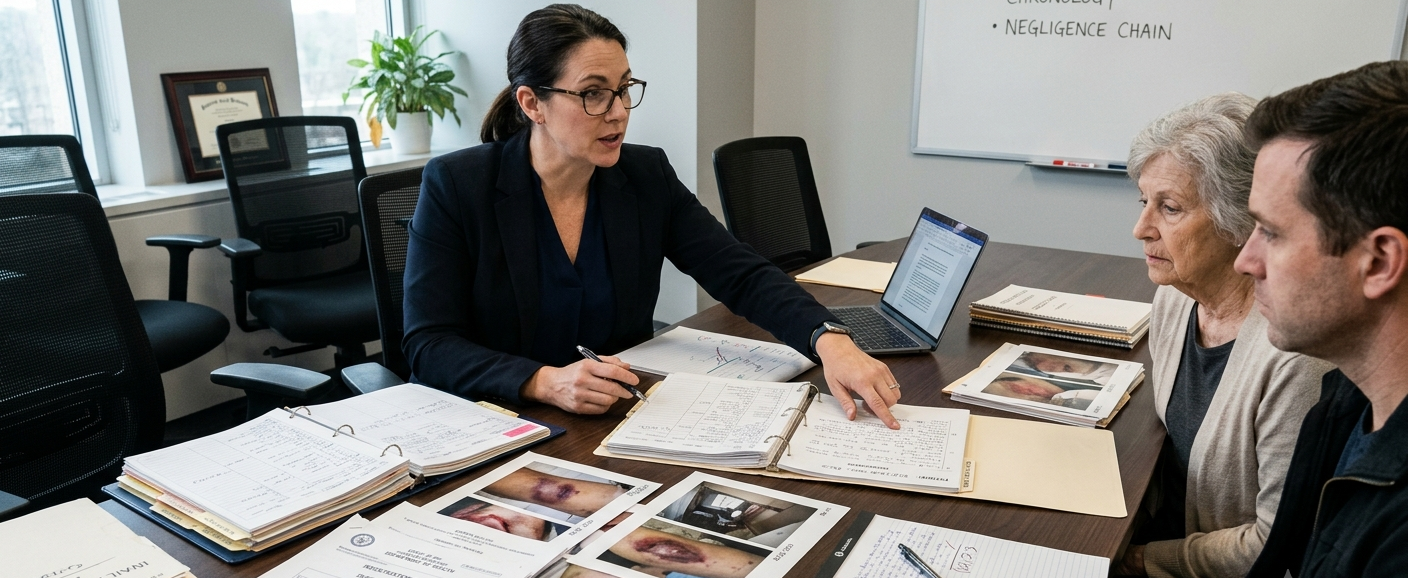
A qualified Chicago Nursing Home Falls Attorney can:
- Investigate the cause of the fall
- Review medical and facility documentation
- Work with experts to establish negligence
- File claims for compensation, including medical costs and pain and suffering
Legal action helps protect your loved one, and can also prevent similar harm to others in the future.
Creating a Culture of Fall Prevention
True fall prevention goes beyond policies, it requires a culture of safety and accountability.
1. Staff Responsibility
Supervisors should routinely monitor staff compliance with safety protocols and address any lapses immediately.
2. Resident Empowerment
Residents should understand their personal fall risks and feel comfortable requesting help when needed.
3. Family Involvement
Families should be active participants in care planning and receive prompt communication about any incidents or changes in their health. A team-based approach ensures residents are cared for with respect, attention, and consistency.
Call to Action
Falls in nursing homes are often preventable. When they happen, families deserve answers. If your loved one has suffered a fall due to negligence or unsafe conditions, contact an experienced Chicago Nursing Home Falls Attorney today.
They can help you uncover the truth, protect your loved one’s rights, and pursue the justice they deserve. Every elderly resident should live in safety, dignity, and peace, let’s make sure that promise is upheld.