Warning Signs of Elder Neglect You Should Never Ignore
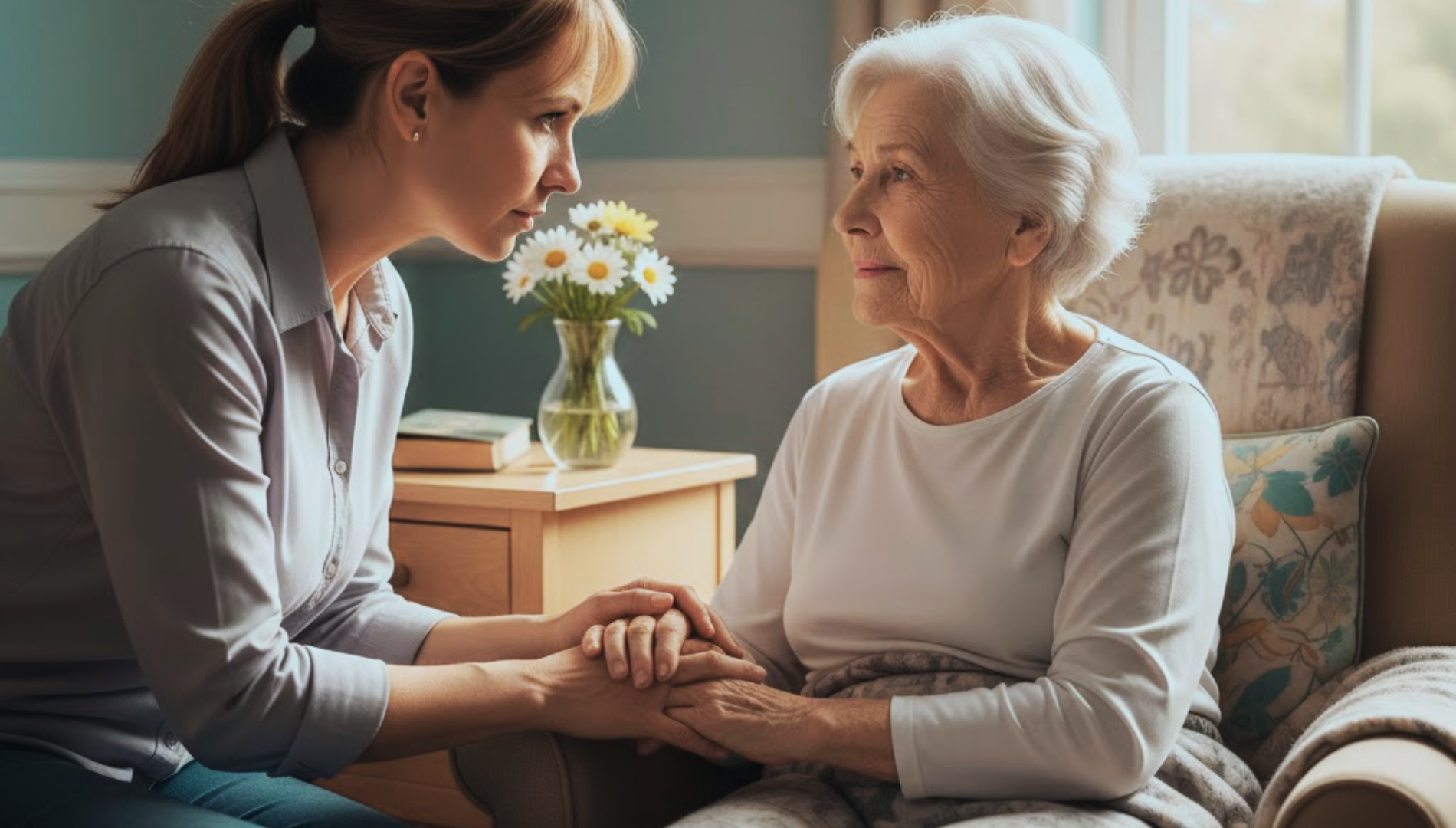
Elder neglect occurs when an older adult’s basic needs, such as food, hygiene, medical care, and emotional support, are not properly met, leading to serious harm or distress. It’s a silent crisis that can happen anywhere: in nursing homes, assisted living facilities, or even at home. Recognizing the warning signs of elder neglect early, like sudden weight loss, unexplained bruises, poor hygiene, or emotional withdrawal, can help you act before it’s too late.
If you suspect your loved one is suffering from neglect or abuse, contact an experienced Chicago Nursing Home Abuse Attorney to protect their rights and ensure their safety.
Understanding Elder Neglect
Elder neglect happens when caregivers fail to provide essential care, resulting in physical or emotional harm. It may involve neglecting hygiene, failing to provide proper nutrition, skipping medications, or disregarding medical needs.
Neglect can be intentional or unintentional, but in either case, it causes long-term harm to the victim’s health, dignity, and quality of life.
What Are the 3 R’s of Elder Abuse?
The **3 R’s of elder abuse, Recognize, Report, and Respond, are key to preventing harm and saving lives.
1. Recognize
Identify signs of abuse or neglect, such as bruises, sudden behavioral changes, or poor living conditions. Awareness is the first step toward protection.
2. Report
If you suspect neglect, report it immediately to local law enforcement or Adult Protective Services (APS). Every report could prevent further harm.
3. Respond
Take quick action, remove your loved one from danger, seek medical care, and contact a nursing home abuse lawyer to hold the negligent parties accountable.
How to Protect the Elderly from Abuse
Protecting elderly loved ones starts with consistent involvement and awareness. Families can help prevent abuse by visiting frequently, and sometimes without notice, to ensure care remains consistent and transparent. Observing emotional and physical changes such as fear, sadness, withdrawal, or sudden shifts in hygiene can also reveal early signs of mistreatment. It’s equally important to research a facility thoroughly before choosing one by reviewing credentials, certifications, and any past disciplinary actions to ensure the environment is safe and reputable.
Open communication also plays a crucial role, as many seniors may feel hesitant or embarrassed to express concerns. Encourage honest conversations about their daily experiences and reassure them that their feelings matter. If abuse is suspected, understanding your legal options is essential. An experienced nursing home abuse attorney can investigate potential issues, guide you through filing a claim, and help pursue justice for your loved one.
What Are Signs of Self-Neglect in the Elderly?
Self-neglect occurs when an elderly person is unable to meet their own daily needs. It’s common among seniors with physical or cognitive impairments and can be just as dangerous as external neglect. For more insights, see Elderly Care Residents Have Rights—Here’s What You Need to Know.
Common Indicators of Self-Neglect:
- Unkempt appearance or poor hygiene
- Malnutrition or dehydration
- Refusal to seek medical care
- Unsafe or cluttered living conditions
- Withdrawal from friends and family
- Confusion or memory loss
If you notice these signs, contact medical professionals or Adult Protective Services for evaluation and assistance.
What Are the Signs of Neglect in a Patient?
Whether your loved one lives in a nursing home or assisted living facility, these signs may indicate serious neglect:
1. Poor Hygiene
Unchanged clothing, dirty bedding, or strong odors suggest inadequate care and oversight.
2. Unexplained Injuries
Bruises, fractures, or burns that staff can’t explain often indicate negligence or abuse.
3. Bedsores (Pressure Ulcers)
Bedsores occur when immobile patients aren’t repositioned regularly. These painful wounds can lead to life-threatening infections. If your loved one develops bedsores, contact Chicago nursing home bed sores lawyers immediately to investigate possible neglect.
4. Malnutrition or Dehydration
Sudden weight loss, dry skin, or cracked lips may signal that caregivers are not providing enough food or fluids.
5. Emotional Withdrawal
Fear, anxiety, or depression can indicate emotional neglect or verbal abuse.
6. Medication Mistakes
Overdosing, skipped doses, or incorrect prescriptions can cause severe medical complications and are often a result of poor staffing or training.
The Emotional Impact of Elder Neglect
Neglect affects far more than an elderly person’s physical well-being, it can deeply damage their emotional health. Many victims feel isolated, helpless, and betrayed by the very people entrusted with their care. These feelings can linger long after physical injuries heal, creating lasting emotional trauma. Families, too, may experience guilt, anger, and heartbreak when they learn their loved one has been mistreated.
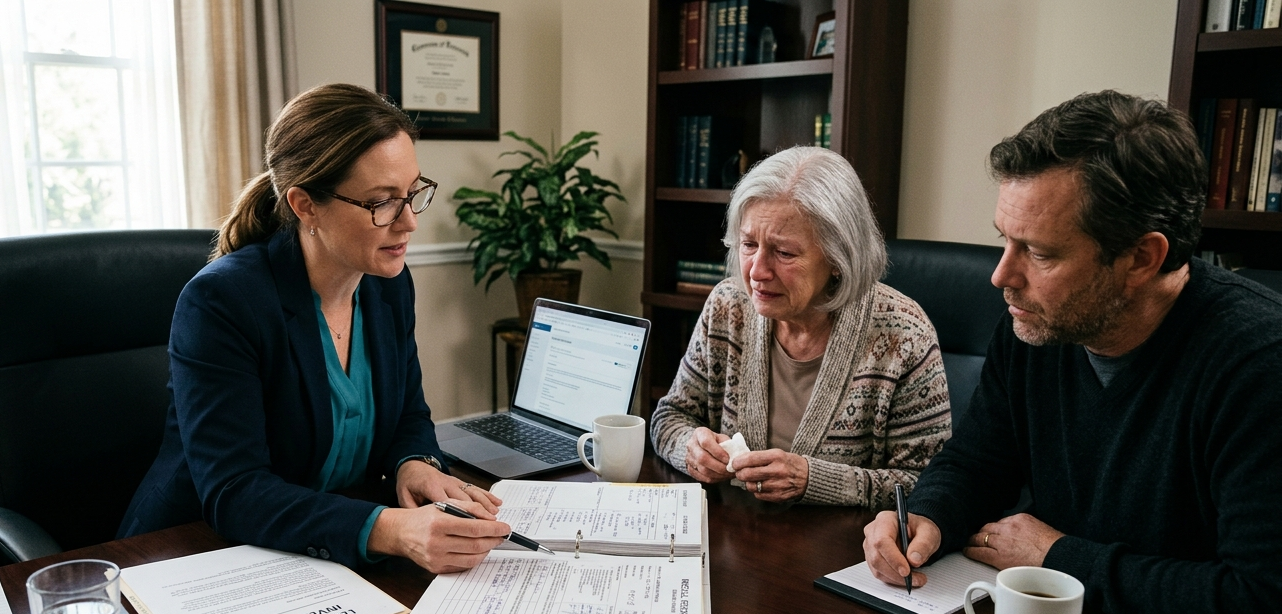
Seeking help from a compassionate nursing home abuse lawyer can provide a path toward accountability and healing. The right legal support not only helps uncover the truth and pursue justice but also guides families toward closure while protecting their loved one’s dignity and rights.
Why Legal Help Is Crucial
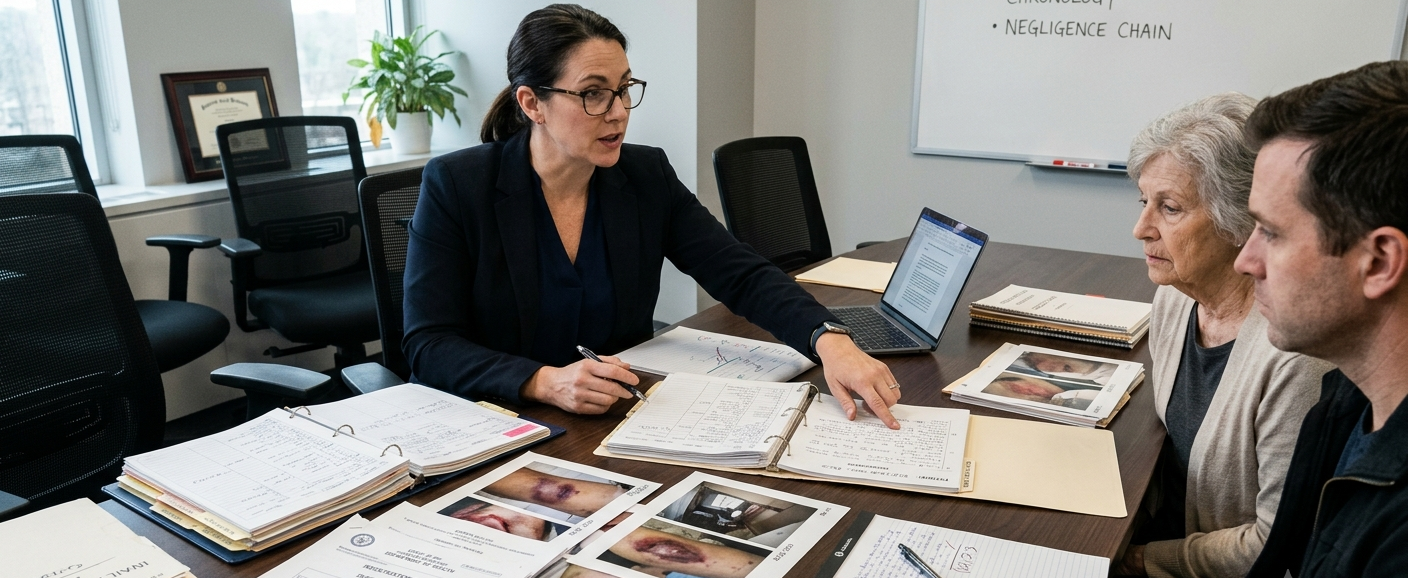
Elder neglect cases require expert knowledge of healthcare laws, facility regulations, and medical records. A qualified nursing home abuse attorney can:
- Gather documentation and witness statements
- Determine liability
- File claims for medical bills, pain, and suffering
- Represent your loved one in court
- Ensure facilities comply with state and federal laws
Having legal representation levels the playing field against powerful nursing home corporations and their insurers.
Steps to Take If You Suspect Elder Neglect
If you think your loved one is being neglected, follow these steps immediately:
- Document Everything: Take photos, record dates, and note any injuries or changes.
- Report the Abuse: Contact APS or your state’s elder care ombudsman.
- Seek Medical Care: Make sure your loved one receives proper treatment.
- Consult an Attorney: A nursing home abuse lawyer can guide you through the investigation and legal process.
Even if you’re uncertain, it’s always better to err on the side of caution. Early action can save lives.
Additional Warning Signs to Watch For
- Frequent infections or untreated illnesses
- Overcrowded rooms or insufficient staff
- Missing personal belongings
- Unexplained financial transactions
- Staff avoiding questions or delaying responses
Neglect can take many forms, staying observant and proactive is essential to protecting your loved one.
Prevention: What Families Can Do
Choose Carefully
Research facilities thoroughly. Visit in person, ask direct questions, and trust your instincts.
Stay Engaged
Frequent visits and open communication help ensure consistent care and transparency.
Monitor Health and Finances
Track weight changes, medication use, and financial accounts for unusual activity.
Empower Your Loved One
Encourage your loved one to voice their concerns and remind them of their right to safety and dignity.
Legal Protections Under U.S. Law
The Nursing Home Reform Act of 1987 guarantees residents the right to quality care, dignity, and freedom from abuse, neglect, and exploitation. Additionally, each state enforces its own reporting laws and penalties for neglect and mistreatment.
A qualified nursing home abuse attorney can help you navigate these legal protections, file formal complaints, and pursue compensation for negligence.
When to Contact a Nursing Home Abuse Lawyer
Reach out to a nursing home abuse lawyer immediately if:
- There are unexplained injuries or illnesses.
- Staff are evasive or uncooperative.
- Bedsores or infections develop.
- You suspect financial or emotional exploitation.
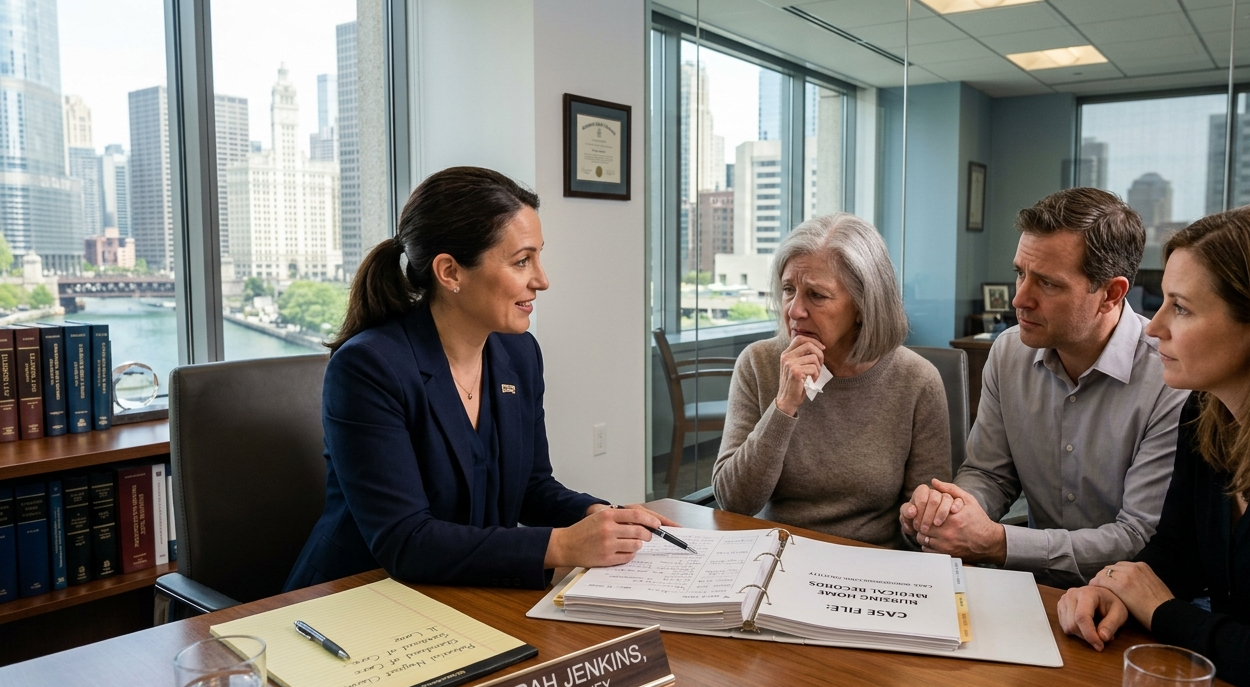
A lawyer can conduct an independent investigation and ensure your loved one’s safety, dignity, and well-being are restored.
Call to Action
If you believe your loved one is being neglected or mistreated, don’t wait. Contact an experienced Chicago Nursing Home Abuse Attorney today.
They can help you uncover the truth, protect your loved one, and pursue the justice they deserve. Every senior deserves compassion, safety, and respect. Let’s ensure they receive it.