The Legal Process for Nursing Home Abuse: A Step-by-Step Guide
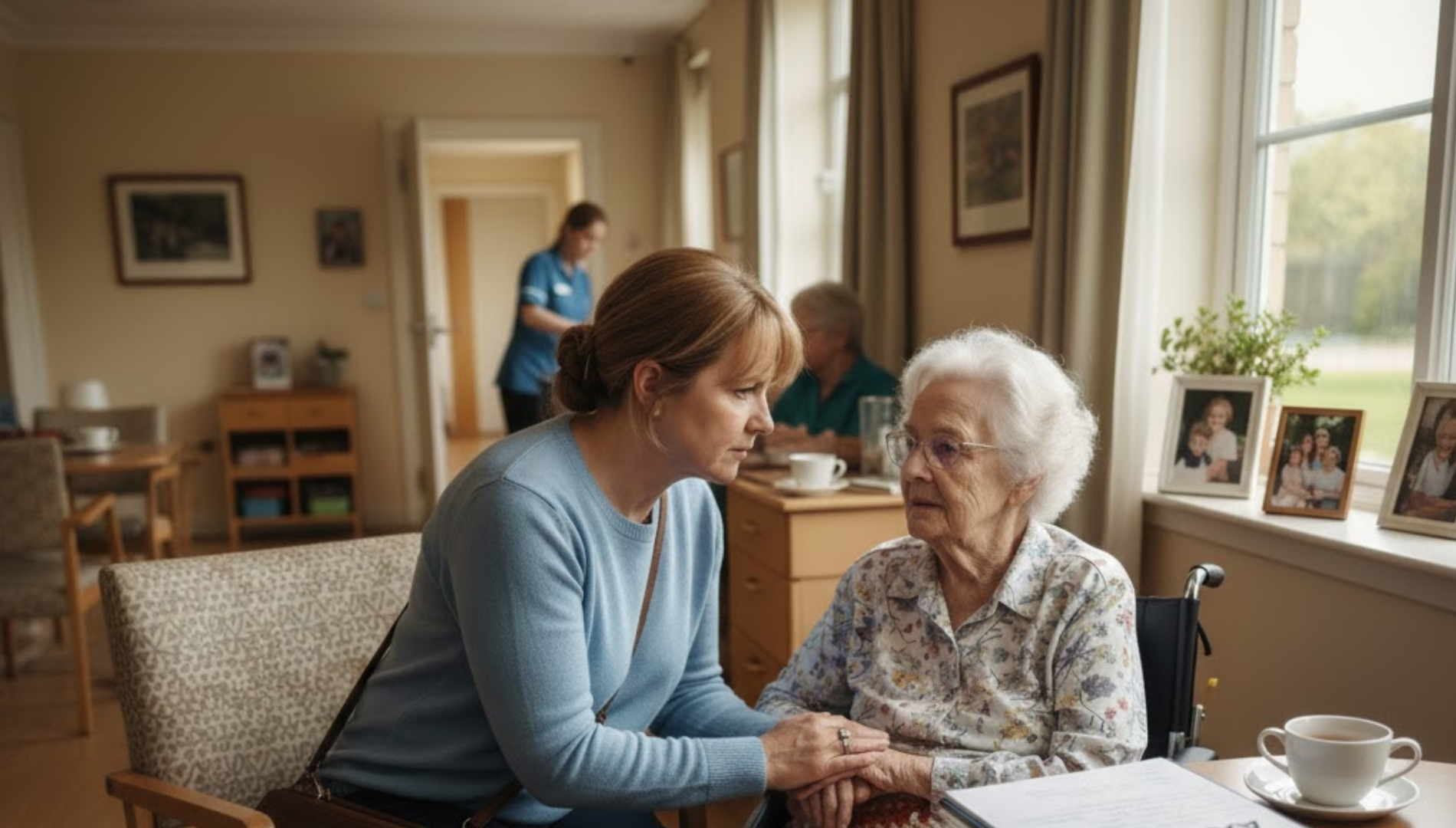
Discovering that a loved one may be suffering abuse in a nursing home is one of the most painful and disorienting experiences a family can face. Most families place relatives in long-term care facilities with the expectation of safety, dignity, and professional oversight. When signs of abuse or neglect appear, that trust is shaken. Families often describe feeling shocked, angry, confused, and unsure where to turn next.
We frequently hear statements like, “I knew something was wrong, but I did not know what to do,” or “I was afraid of making things worse.” That uncertainty can lead to hesitation, and hesitation can allow harm to continue. Understanding how the legal process works helps families move forward with clarity instead of fear.
As a Chicago nursing home abuse lawyer, we have guided many families through this process. The legal system may seem intimidating at first, but it follows a clear structure designed to protect vulnerable residents and hold negligent facilities accountable. This guide explains each step of the legal process for nursing home abuse so you know what to expect, how to protect your loved one, and when legal support matters most.
What Is The Legal Process For Nursing Home Abuse?
The legal process for nursing home abuse typically begins when a family identifies signs of abuse or neglect and takes steps to document what is happening. This is followed by reporting concerns to appropriate authorities and consulting a Chicago nursing home abuse lawyer for legal guidance. An attorney investigates the claim by gathering medical records, facility documentation, inspection reports, and witness statements.
If evidence shows that the nursing home violated state or federal care standards, a legal claim may be filed against the responsible parties. The case may involve settlement negotiations or, if necessary, litigation in court. Throughout the process, the primary goals are to protect the resident’s safety, stop ongoing abuse, and seek accountability for the harm caused. Early involvement of a Chicago nursing home abuse lawyer helps preserve evidence and prevents critical mistakes.
How Nursing Home Abuse Cases Are Handled In Chicago
In Chicago and throughout Illinois, nursing homes are regulated under both state law and federal guidelines. These regulations establish minimum care standards, staffing requirements, and resident rights. However, enforcement often depends on complaints being filed and investigated. Many violations go unnoticed until families speak up.
As a Chicago nursing home abuse lawyer, we often represent families who recognized warning signs long before regulators became involved. Facilities may pass inspections while still failing individual residents behind closed doors. Local experience matters because Chicago nursing homes operate within specific reporting systems, inspection schedules, and enforcement procedures. Knowing how these systems work helps families act faster and more effectively when abuse is suspected.
Step 1: Recognizing And Documenting Abuse
The legal process begins with recognition. Nursing home abuse can take many forms, including physical abuse, emotional abuse, sexual abuse, financial exploitation, and neglect. Early signs may seem subtle, such as unexplained bruises, sudden weight loss, poor hygiene, or changes in mood and behavior.
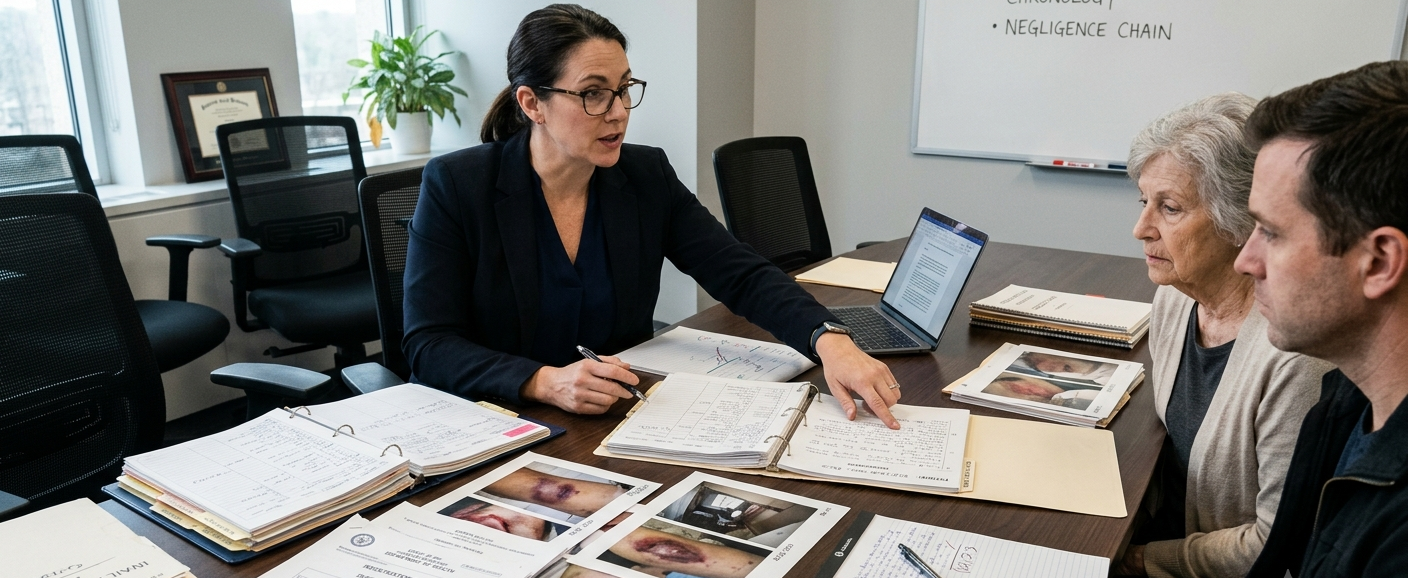
Families should document everything they observe. Take photographs of injuries or unsanitary conditions when possible. Keep a written log noting dates, times, and descriptions of concerning events. Save medical records, care plans, and communication from the facility. This documentation becomes the foundation of a legal claim and allows a Chicago nursing home abuse lawyer to identify patterns that indicate systemic problems rather than isolated incidents.
Step 2: Ensuring The Resident’s Immediate Safety
Before any legal action moves forward, the resident’s safety must be addressed. If abuse or neglect appears ongoing, families may need to request immediate medical evaluations or consider transferring their loved one to another facility. In some cases, limiting contact with certain staff members is appropriate.
When there is an immediate threat, contacting Adult Protective Services or local law enforcement may be necessary. A Chicago nursing home abuse lawyer can help families evaluate the urgency of the situation and determine the safest next steps without escalating risk to the resident.
Step 3: Reporting The Abuse To Authorities
Reporting abuse creates an official record and can trigger a regulatory investigation. In Illinois, this often involves filing a complaint with the Illinois Department of Public Health. These agencies focus on compliance with care standards and resident safety.
While reporting is important, it does not replace legal action. Regulatory investigations aim to correct facility practices, not to recover compensation for victims. A Chicago nursing home abuse lawyer works alongside regulatory processes to ensure the family’s legal rights are protected and the facility is held accountable beyond administrative penalties.
What Should A Nurse Do If A Patient Is Being Abused?
Nurses and healthcare professionals are often mandatory reporters under state law. If a nurse suspects abuse or neglect, they are required to report it promptly to supervisors and appropriate authorities. They must also document observations carefully and follow facility reporting procedures.
Failure to report suspected abuse can result in serious professional and legal consequences. These reports often play a crucial role in nursing home abuse cases and may become key evidence reviewed by a Chicago nursing home abuse lawyer during the investigation phase.
Step 4: Consulting A Nursing Home Abuse Lawyer
Once abuse is suspected or confirmed, consulting a Chicago nursing home abuse lawyer is a critical step. An attorney reviews the facts, explains legal options, and assesses whether the facility breached its duty of care. This consultation helps families understand timelines, potential outcomes, and what evidence is needed to move forward.
Early legal guidance is especially important because nursing homes may alter records, restrict access, or attempt to downplay concerns once they are aware of complaints. A Chicago nursing home abuse lawyer helps preserve evidence and prevents families from unintentionally weakening their case.
What Actions Will You Take If You Suspect That An Elderly Patient Is Being Abused?
When abuse is suspected, action should be deliberate and documented. This includes recording concerns, seeking medical evaluation, reporting abuse to authorities, and contacting legal counsel. Families should avoid confronting staff without guidance, as this can sometimes lead to retaliation or evidence being concealed.
A Chicago nursing home abuse lawyer helps coordinate these steps strategically so the resident remains protected and the investigation remains intact.
Step 5: Investigation And Evidence Gathering
After legal representation begins, a thorough investigation follows. This may include reviewing medical records, staffing schedules, care logs, surveillance footage, and prior inspection reports. Witness statements from staff, residents, or family members may also be collected.
Medical and care experts are often consulted to determine whether injuries or decline resulted from neglect or abuse. A Chicago nursing home abuse lawyer focuses on identifying systemic failures, such as understaffing or lack of supervision, rather than blaming isolated individuals alone.
Step 6: Filing The Legal Claim
If evidence supports the claim, a lawsuit is filed against the nursing home and potentially against management companies or individual staff members. The legal complaint outlines how the facility violated care standards and how those violations caused harm.
This step formally begins the litigation process. Filing a claim often prompts insurance carriers and defense attorneys to engage in settlement discussions. A Chicago nursing home abuse lawyer ensures the claim is properly structured and supported by evidence.
Step 7: Negotiation, Settlement, Or Trial
Many nursing home abuse cases are resolved through settlement negotiations. Settlements can provide compensation while avoiding the emotional strain of a trial. However, not all facilities offer fair resolutions voluntarily.
If a settlement cannot be reached, the case may proceed to trial. Throughout negotiations and litigation, a Chicago nursing home abuse lawyer represents the family’s interests, manages communication, and prepares the case for court if necessary.
Legal Standards And Elder Abuse Laws
Elder abuse laws are grounded in both state statutes and federal regulations. According to the National Institute on Aging, elder abuse includes physical abuse, emotional abuse, sexual abuse, neglect, and financial exploitation, and it is often underreported. These definitions form the basis for legal claims and regulatory enforcement.
A Chicago nursing home abuse lawyer uses these standards to demonstrate how a facility failed to meet its legal obligations and how those failures harmed the resident.
Why Timing Matters In Nursing Home Abuse Cases
Delays can significantly impact nursing home abuse cases. Evidence may disappear, memories fade, and residents may suffer continued harm. Acting early allows a Chicago nursing home abuse lawyer to secure records, document conditions, and intervene before abuse escalates.
Prompt action also protects other residents who may be experiencing similar mistreatment. Accountability improves safety not just for one individual, but for the entire facility.
How A Chicago Nursing Home Abuse Lawyer Supports Families
A Chicago nursing home abuse lawyer provides more than legal filings. They serve as an advocate, investigator, and guide during an emotionally difficult time. Legal counsel helps families understand their rights, communicate with authorities, and pursue justice without navigating the system alone.
Most importantly, a Chicago nursing home abuse lawyer gives families confidence that someone is protecting their loved one’s dignity and safety when it matters most.
Final Thought
The legal process for nursing home abuse exists to protect those who cannot protect themselves. While it may feel overwhelming at first, understanding each step empowers families to act with clarity instead of fear. Abuse and neglect should never be accepted as normal parts of aging or institutional care.
Early action, proper documentation, and guidance from a Chicago nursing home abuse lawyer can stop harm, restore dignity, and hold negligent facilities accountable. Your loved one deserves safety, respect, and justice.
If you suspect abuse or neglect, do not navigate this alone. Contact a trusted Chicago nursing home abuse lawyer at Chicago Nursing Home Abuse Attorney. We provide clear guidance, compassionate support, and strong advocacy at every stage of the process.